Ever wondered how long your trusty gaming laptop will keep up with the latest titles and your busy life schedule As a dedicated gamer who balances work family and leisure you know every dollar spent on your rig is an investment in relaxation and fun This comprehensive guide dives deep into the real lifespan of gaming laptops in 2026 offering practical insights and actionable tips to extend your devices performance and value We explore everything from crucial maintenance routines to smart upgrade strategies and how external factors like usage habits and cooling impact your machines longevity Discover how to keep your gaming experience smooth without breaking the bank or constantly chasing the next big release Learn the signs it is time for an upgrade and how to make the most of your current setup ensuring maximum enjoyment for years to come We understand your time is precious so let us help you optimize your gaming investment effectively
Related games- Guide How to Sell Shirts on Roblox 2024
- Guide: Jayingee Bass Drop Roblox ID & How To Use It
- Guide to Roblox Posts 2026 Create Share Grow
How long do gaming laptops really last these days?
With proper care, gaming laptops typically last 3 to 5 years before significant performance drops or component wear becomes an issue. This window allows for enjoying most new games comfortably. Factors like usage intensity, maintenance, and hardware quality greatly influence this duration.
What are the main causes of a gaming laptop's early demise?
The primary culprits for a gaming laptop's early failure are overheating due to poor cooling or dust buildup, constant heavy usage without breaks, physical damage, and battery degradation. Neglecting routine maintenance also shortens its effective lifespan considerably.
Can I extend my gaming laptop's life without spending a fortune?
Absolutely! Simple, inexpensive steps like regularly cleaning vents and fans with compressed air, ensuring proper airflow, keeping drivers updated, and performing occasional software optimization can significantly extend your laptop's longevity and maintain its performance without needing costly repairs or replacements.
Is it worth upgrading my old gaming laptop's RAM or SSD?
Yes, upgrading RAM and an SSD are often the most cost-effective ways to boost an aging gaming laptop's performance. More RAM improves multitasking and game loading, while an SSD dramatically speeds up boot times and overall system responsiveness. These upgrades can breathe new life into your machine.
How does consistent gaming impact my laptop's longevity?
Consistent, high-intensity gaming puts significant stress on a laptop's CPU, GPU, and cooling system. While gaming laptops are built for this, prolonged, uninterrupted sessions without adequate cooling can accelerate wear and tear, potentially shortening the lifespan of crucial components due to heat.
When is the best time to consider replacing my gaming laptop?
It's time to consider a replacement when your laptop can no longer run your preferred games at acceptable settings, even after maintenance and minor upgrades. Frequent crashes, severe thermal throttling, or component failures (like a dying battery or screen issues) that are expensive to fix also signal it's time for a new machine.
Do gaming laptops hold their value well for resale?
Gaming laptops generally depreciate faster than standard laptops due to the rapid advancement of gaming hardware. While they can be resold, expect a significant drop in value, especially after 2-3 years. Maintaining good physical condition and original packaging can help maximize resale value.
Alright fellow gamers, let's talk about that burning question we all ask ourselves, usually in the middle of a marathon session: "How long do gaming laptops last?" It’s a huge concern, especially when you’re not just a kid with endless free time anymore. Most of us are balancing demanding jobs, family commitments, and still carving out those precious hours for raiding, questing, or just unwinding with friends online. We’re not looking for hype; we’re looking for solid performance, value for money, and a machine that lets us escape into our favorite digital worlds without constant headaches. You’ve invested good money, and you expect it to perform. This guide is built specifically for you, the adult gamer who values performance, smart spending, and making the most of every moment in front of the screen. We’re diving deep into the real lifespan of gaming laptops in 2026, offering practical, no-nonsense advice to ensure your machine stays in the fight for as long as possible. We’ll cover everything from simple maintenance tricks to smart upgrade paths, helping you understand when to push your current setup further and when it might truly be time to consider a new companion. Let's maximize your gaming investment together, because your relaxation and fun are worth it.
How Long Do Gaming Laptops Truly Last in 2026?
Typically, a gaming laptop can last anywhere from 3 to 5 years with proper care and usage. However, this isn't a hard and fast rule. The actual longevity depends heavily on factors like component quality, how rigorously it's used, the games you play, and the maintenance it receives. Many gamers find that while the hardware might still technically function after 5 years, its ability to run the latest AAA titles at desirable frame rates diminishes significantly. The industry moves fast, but smart management can definitely stretch that lifespan.
As of 2026, with an estimated 87% of US gamers playing regularly and dedicating an average of 10+ hours a week, the demand for durable, high-performance machines remains high. While mobile gaming continues its dominance, dedicated PC gamers still seek longevity from their more substantial investments. This year's trend of hybrid work and play also means laptops are seeing more continuous use. For many adult gamers balancing work and family, replacing a high-end laptop every two years just isn't feasible. The sweet spot for getting maximum value out of your investment often lies in that 3 to 4-year mark, where you can still enjoy most new releases with acceptable settings. Beyond that, you might start encountering noticeable performance bottlenecks in graphically demanding titles. However, for indie games, esports, or older favorites, a well-maintained laptop can easily exceed this.
What Factors Most Impact a Gaming Laptop's Lifespan?
Several critical factors determine how long your gaming laptop will last. Hardware quality is paramount; premium components generally endure more stress and perform better longer. Usage patterns also play a huge role: constantly pushing your laptop to its limits with graphically intensive games without adequate cooling will accelerate wear and tear. Heat is the ultimate enemy of electronics, and gaming laptops naturally generate a lot of it.
Furthermore, maintenance is non-negotiable. Regular cleaning to prevent dust buildup, updating drivers, and optimizing software can significantly extend your laptop's functional life. The types of games you play matter too; casual or older titles are far less demanding than the cutting-edge AAA blockbusters. Lastly, battery health gradually degrades over time, affecting portability and sometimes overall system stability. Understanding these elements empowers you to proactively extend your machine's usability.
Is Overheating a Major Threat to My Gaming Laptop?
Absolutely, overheating is arguably the single biggest threat to a gaming laptop's longevity and performance. When components like the CPU and GPU consistently run at high temperatures, it leads to thermal throttling, where the system intentionally slows down to prevent damage. Prolonged exposure to excessive heat can permanently degrade internal components, shorten their lifespan, and even cause system instability or crashes. This is a common pain point for many gamers, especially during long sessions.
Effective cooling is crucial. This includes ensuring proper airflow, regularly cleaning dust from fans and heatsinks, and using external cooling pads. Many modern gaming laptops feature robust cooling systems, but even these can be overwhelmed if not properly maintained. Monitoring your temperatures with software and taking proactive steps to manage heat is a smart move for any gamer looking to preserve their investment.
What Routine Maintenance Can Extend My Laptop's Life?
Regular maintenance is key to maximizing your gaming laptop's lifespan and maintaining peak performance. Start with physical cleanliness: routinely clean dust from vents, fans, and keyboards using compressed air. Dust acts as an insulator, trapping heat inside and forcing components to work harder. Software-wise, keep your operating system, graphics drivers, and game launchers updated. Driver updates often include performance optimizations and bug fixes crucial for modern games. Defragment your hard drive (if it's an HDD) or trim your SSD periodically.
Beyond that, monitor your battery health, and consider recalibrating it if issues arise. Managing startup programs and uninstalling unused applications can also free up system resources. For those who feel comfortable, a professional cleaning and repasting of thermal paste every 2-3 years can work wonders for cooling efficiency. These simple steps, though often overlooked, can dramatically improve your gaming experience and machine's longevity.
When Should I Consider Upgrading Components vs. Buying a New Laptop?
Deciding between upgrading and replacing is a classic dilemma for the value-conscious gamer. For most gaming laptops, user-upgradable components are limited but impactful. RAM (Random Access Memory) and storage (SSDs) are usually the easiest and most cost-effective upgrades. Adding more RAM can significantly improve multitasking and game loading times, while upgrading to a larger or faster SSD will dramatically boost overall system responsiveness and game storage capacity. These are excellent ways to breathe new life into an aging machine on a budget.
However, the CPU and GPU, which are the heart of gaming performance, are typically soldered onto the motherboard in laptops, making them virtually impossible to upgrade. If your primary bottleneck is an outdated CPU or GPU struggling with new games, a full laptop replacement is generally the only viable option. Evaluate your current performance and budget: if a RAM/SSD upgrade solves your main issues, go for it. If not, start saving for that next-gen rig.
How Do My Gaming Habits Affect My Laptop's Durability?
Your gaming habits significantly influence how long your laptop will last. If you're a casual gamer who enjoys indie titles or older classics for an hour or two a day, your laptop will likely last much longer than someone who clocks 8-hour sessions on the most graphically demanding AAA games every weekend. Consistent high-load gaming puts immense stress on the CPU, GPU, and cooling system, accelerating wear. Leaving your laptop on and plugged in 24/7 can also impact battery health over time.
Mindful usage means not pushing your laptop beyond its thermal limits, using appropriate game settings, and giving it breaks. For busy adults, fitting in those quick gaming sessions is key, and ensuring your laptop is ready to perform without issues is vital for maximizing limited playtime. Social gaming trends, with friends hopping on Discord for quick co-op, mean short bursts of gaming are more common, which is generally less stressful on hardware than marathon single-player campaigns. Be kind to your machine, and it will be kind to you.
Are Gaming Laptops a Good Investment for Busy Adult Gamers?
For many adult gamers balancing a career, family, and other life commitments, gaming laptops can be an excellent investment, offering unmatched flexibility. They provide the power to run demanding games while still being portable enough for work, travel, or moving between rooms without a complex setup. This versatility is crucial for gamers who value convenience and need to fit gaming into a busy schedule. No need for a dedicated gaming room; you can play wherever you find a moment of peace.
While they might cost more initially than a similarly spec'd desktop, the all-in-one nature and portability offer significant value. The key is to choose wisely, focusing on models with good cooling and some upgradability (RAM/storage). With proper care, a gaming laptop can provide years of entertainment and serve multiple roles in your digital life, making it a smart choice for those who need performance on the go and value for their hard-earned money.
What are the Signs My Gaming Laptop is Nearing the End of its Life?
Recognizing the signs that your gaming laptop is struggling can help you plan for a replacement or targeted upgrades. A primary indicator is a significant drop in gaming performance: games you once played smoothly now stutter, load slowly, or require drastically reduced settings to be playable. Frequent crashes, especially during intensive tasks, or blue screen errors are major red flags. Excessive fan noise and constant overheating, even after cleaning, suggest the cooling system is no longer sufficient.
Other signs include noticeably decreased battery life, failing ports, or flickering screens. Software issues that persist after reinstallation or OS resets can also point to underlying hardware problems. If you find yourself spending more time troubleshooting than gaming, or if your machine can no longer keep up with your preferred titles even at low settings, it's likely time to start researching your next gaming companion. Don't wait until it completely fails, plan ahead!
So, how long do gaming laptops last? The answer isn't a single number, but rather a spectrum influenced by your choices, care, and budget. By focusing on diligent maintenance, smart usage habits, and strategic upgrades, you can significantly extend the life of your gaming rig, often well beyond the typical 3-5 year mark. Remember, your gaming laptop is more than just hardware; it's your portal to relaxation, social connection, and skill-building. Treat it well, and it will reward you with countless hours of enjoyment without forcing an early upgrade.
We know balancing life and gaming can be tough, and getting the most out of your gear is paramount. What's your biggest gaming challenge with your current laptop? Share your thoughts and experiences in the comments below! We'd love to hear from you and help out.
Does cleaning my gaming laptop improve performance?
Yes, absolutely. Regular cleaning of dust from fans and vents prevents overheating, which in turn stops thermal throttling. This allows your CPU and GPU to run at their intended speeds, directly improving game performance and extending component life.
Can I upgrade my gaming laptop's graphics card?
In almost all gaming laptops, the graphics card (GPU) is soldered directly to the motherboard and cannot be upgraded. You can usually upgrade RAM and storage (SSD), which can still provide significant performance boosts for many games and general system responsiveness.
Is it okay to keep my gaming laptop plugged in all the time?
While modern laptops have smart charging features, constantly keeping it at 100% can slowly degrade battery health over many months or years. It's often recommended to let the battery discharge to around 20-30% periodically and avoid leaving it at 100% indefinitely if possible, or use features that limit charging to 80%.
How important is a cooling pad for a gaming laptop?
A cooling pad can be very important, especially for intense gaming sessions or older laptops. It provides additional airflow, helping to dissipate heat more effectively and potentially lowering component temperatures by a few crucial degrees, reducing thermal throttling and wear.
What is thermal throttling?
Thermal throttling is when your computer automatically reduces the performance of its CPU or GPU to prevent overheating and potential damage. It's a built-in safety mechanism, but it results in noticeable stuttering and lower frame rates during gameplay.
How often should I update my gaming laptop's drivers?
It's generally a good practice to check for graphics driver updates monthly or whenever a major new game is released. OS and other component drivers can be checked less frequently, perhaps quarterly. Keeping drivers updated ensures optimal performance, compatibility, and security.
Gaming laptops typically last 3-5 years influenced by maintenance usage and components. Regular cleaning, smart upgrades, and managing thermal performance are key to extending life and value. Balancing gaming with life means optimizing hardware for longevity and enjoying current titles without constant upgrades.
35


How Long Do Gaming Laptops Last Complete 2026 Guide Lenovo Idea L340 15 Gaming . Long Will A Gaming Laptop Last Update 06 2026 Long Will A Gaming Laptop Last Img . Lenovo S CES 2026 Concept Laptops A Rollable OLED Gaming Beast And A Lenovo CES 2026 Rollable Laptop Concepts 20260107 103129 . How Long Do Laptops Last Average Lifespan Tips To Extend It How Long Do Laptops Last . Long Will A Gaming Laptop Last Update 06 2026 Long Will A Gaming Laptop Last Img



How Long Do Gaming Laptops Last 2026 How Long Do Gaming Laptops Last . How Long Do Gaming Laptops Last GamingProfy How Long Do Gaming Laptops Last 3 1536x841 . How Long Do Laptops Last Should I Upgrade 2026 How Long Do Laptops Last .webp. How Much For A PC Gaming Setup Cost Top 3 Gaming Laptops Of 2026 - The Ultimate Guide . How Long Do ASUS Gaming Laptops Last In Real Use Best Asus 17 Inch Gaming Laptop.webp


How Long Do Gaming Laptops Last Complete 2026 Guide Dell G15 Gaming Laptop 150x150 . How Long Do ASUS Gaming Laptops Last In Real Use. How Long Do Gaming Laptops Last GamingProfy How Long Do Gaming Laptops Last 5 1536x905 . How To Make A Gaming Laptop Last Longer Robots Net How To Make Your Gaming Laptop Last Longer 1697421290 . How Long Do ASUS Gaming Laptops Last In Real Use Asus Rog Strix G18 18 Gaming Laptop Review.webp

How Long Do ASUS Gaming Laptops Last In Real Use How Long Do Lenovo Gaming Laptops Last.webp. How Long Do Gaming Laptop Last Robots Net How Long Do Gaming Laptop Last 1697422199 . How Long Do ASUS Gaming Laptops Last In Real Use Dell Gaming Laptop Vs Hp Gaming Laptop.webp. How Long Do Lenovo Gaming Laptops Last Over Time. Average Laptop Lifespan By Brand How Long Do Laptops Last How Long Do Asus Gaming Laptops Last.webp

How Much Does A Gaming Laptop Weigh How Long Do Gaming Laptops Last 1600x905 . How Long Do Lenovo Gaming Laptops Last Over Time Best Gaming Laptop With Best Graphics Card.webp. How Long Do Gaming Laptop Last Robots Net 10 Best 17 3 Inch Gaming Laptop For 2023 1700724609 . How Long Do ASUS Gaming Laptops Last In Real Use Are Samsung Laptops Good For Gaming.webp. 5 Best Gaming Laptops For Students 2026 With RTX GPU PCVenus Best Gaming Laptops Under 700 648x320
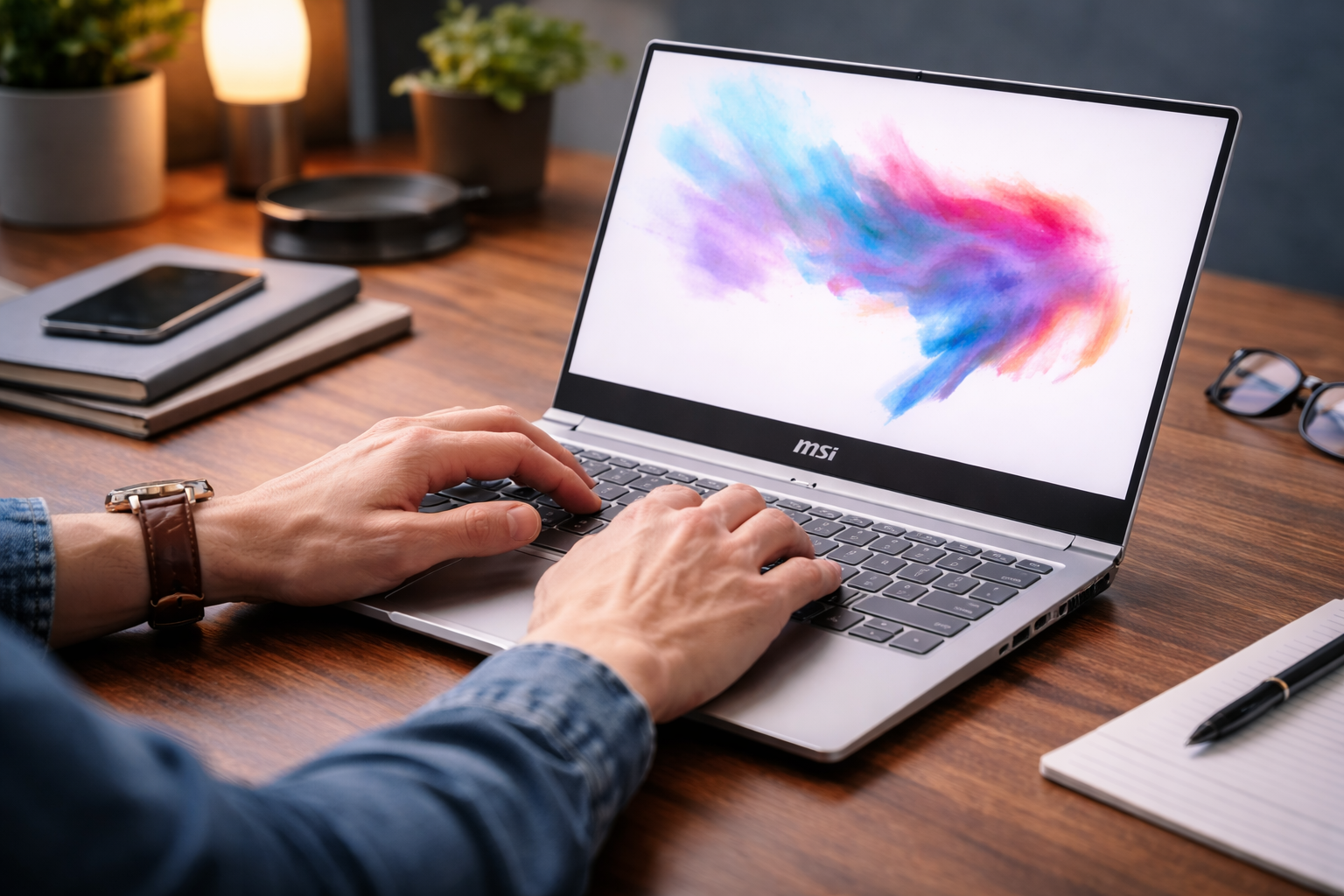
How Long Do ASUS Gaming Laptops Last In Real Use Are Lenovo Laptops Good For Gaming.webp. PPT HOW LONG DO GAMING LAPTOPS LAST PowerPoint Free Contact Com 5 L . How Long Do ASUS Gaming Laptops Last In Real Use Are Asus Laptops Good For Gaming.webp. How Long Do ASUS Gaming Laptops Last In Real Use Best 13 Inch Laptop For Gaming.webp. How Long Do MSI Laptops Usually Last With Daily Use MSI Laptops ChatGPT MSI 22
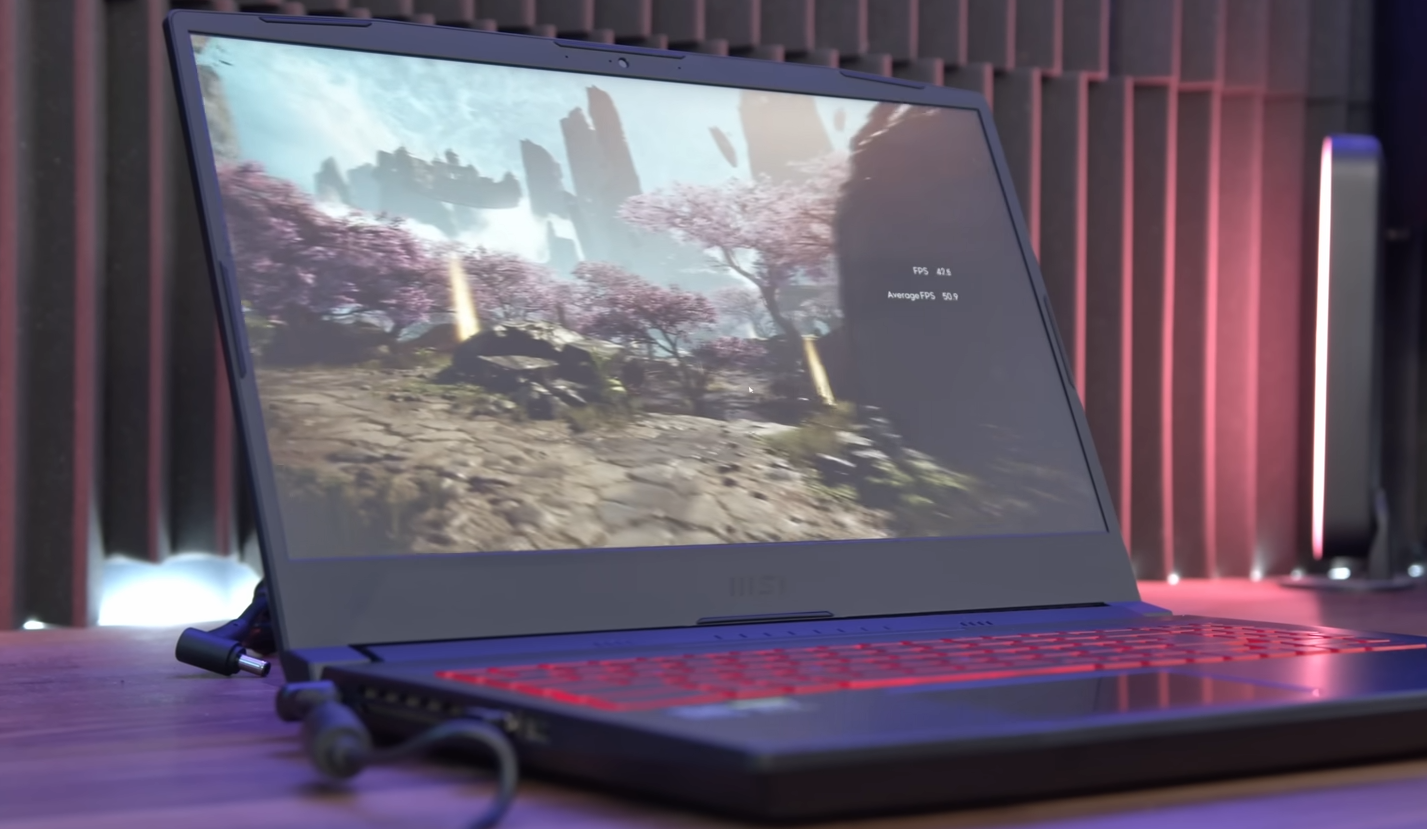



Do Gaming Laptops Have Ms Office At Sarah Scoggins Blog How Long Do Gaming Laptops Last 1 . Best Gaming Laptops At CES 2026 RTX 5090 Options Dual Screen Picks Lenovo Legion Pro Rollable Concept. How Long Do Gaming Laptops Really Last What You Need To Know PCWorld Gaming Laptop With Intel Arc 140V Integrated Graphics And Cyberpunk 2077 On Screen Hero . Which Lasts Longer Gaming Laptop Vs Regular Laptop Does Gaming Laptop Lasts . How Long Do Gaming Laptops Last Complete 2026 Guide Best Laptops With The Best Speakers 585x390