Finding the best termite protection for your home requires a deep understanding of current pest control technologies and environmental factors that affect insect behavior. This comprehensive guide explores liquid soil treatments and advanced baiting systems to ensure your property remains safe from wood destroying organisms. We analyze top rated products like Termidor and Sentricon while providing practical advice on how to resolve active infestations effectively. Many homeowners search for a related search regarding cost comparisons and professional versus DIY application methods. Our expert analysis covers moisture control and structural modifications that complement chemical barriers for a holistic defense strategy. By following these industry leading tips you can protect your investment and maintain a healthy living environment for your family. This guide serves as a navigational tool for anyone looking to solve their termite problems with the most reliable and trending solutions available in the United States today.
Keywords
best termite protection, termite bait stations, liquid termite barrier, termite inspection guide, how to resolve termites, home pest solutions, subterranean termite control, drywood termite prevention, termite treatment costs
Latest Most Questions Asked Forum discuss Info about best termite protection. This ultimate living FAQ is updated for the latest 2024 patch to help homeowners navigate the complex world of pest control with confidence. We have gathered the most pressing concerns from real homeowners who are searching for the best termite protection to save their properties from damage. Whether you are dealing with an active infestation or just want to prevent one this guide provides clear and honest answers. We explore the differences between various chemical treatments and baiting systems while also highlighting the importance of professional expertise. This section is designed to resolve your doubts and provide a clear path forward for home maintenance. Our goal is to offer navigational assistance so you can choose the right service for your specific geographic location and home type. Let us dive into the most frequently asked questions about termite safety and structural integrity.
Beginner Questions
What is the best termite protection for a standard home?
The most effective protection usually involves a combination of liquid soil barriers and periodic baiting station monitoring for results. Liquid treatments provide immediate protection while baiting systems work to eliminate colonies that are lurking nearby in the soil. I recommend consulting with a professional to see which method fits your local environmental conditions and home construction. How do I know if I have termites?
You should look for mud tubes on your foundation walls or discarded wings near windows and doors after rain. Soft or hollow sounding wood is another major red flag that indicates an internal infestation is currently taking place. If you see these signs you need to act quickly to resolve the issue before structural damage occurs. Treatment Options
Is Termidor better than Sentricon for protection?
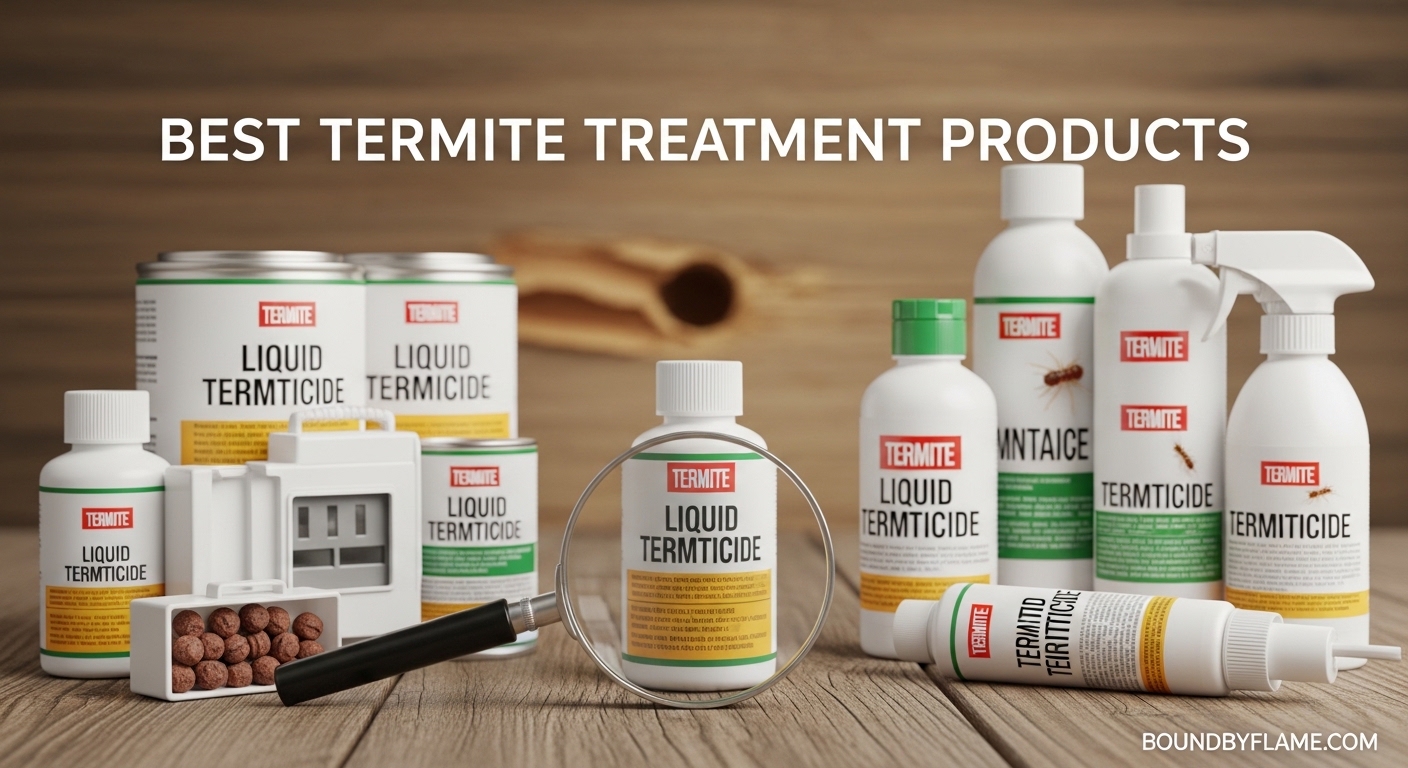
Both products are industry leaders but they work in very different ways to provide the best termite protection available. Termidor is a liquid that creates a kill zone while Sentricon is a bait that destroys the entire colony. Many experts suggest using both for a belt and suspenders approach to keeping your home completely safe from pests. Can I do termite protection myself?
While DIY products exist they are rarely as effective as the professional grade chemicals used by licensed pest control experts. Termites are very good at finding tiny gaps in a barrier that a non professional might accidentally leave behind. I think it is worth the investment to hire a pro who offers a solid damage warranty. Cost and Value
How much does termite protection usually cost per year?
You can expect to pay anywhere from 300 to 800 dollars annually for a professional protection plan and inspection service. This fee usually includes a warranty that covers any new damage if the treatment happens to fail over time. It is a small price to pay compared to the thousands of dollars required for structural wood repairs. Does home insurance cover termite damage?
Unfortunately most standard home insurance policies do not cover damage caused by wood destroying insects like subterranean or drywood termites. This is why having a proactive protection plan is so essential for every homeowner who wants to avoid loss. You should view termite protection as a necessary maintenance expense rather than an optional luxury for your property. Maintenance and Prevention
How often should I get an inspection?
I highly recommend getting a professional termite inspection at least once a year to catch any potential problems early on. Even the best termite protection systems need to be checked to ensure they are still functioning correctly in the soil. Regular checks give you peace of mind and help maintain the validity of your professional service contract. Does mulch attract termites to my house?
Standard wood mulch can retain moisture and provide a bridge for termites to cross over your treated soil barriers. I suggest using pine bark or inorganic mulch like rubber or stones near your foundation to reduce this risk. Keeping a clear zone around your home is a simple yet very effective way to improve your defense. Regional Concerns
Are termites worse in the southern United States?
Yes the warm and humid climate of the South is the perfect breeding ground for massive Formosan termite colonies. Homeowners in these areas need to be extra vigilant and often require more frequent treatments than those in the North. If you live in a high risk area the best termite protection is a mandatory part of homeownership. Can termites survive in cold climates?
While they are less active in the winter termites can still survive deep in the soil or inside heated structures. They do not die off completely just because the temperature drops so year round protection remains a very smart idea. Never assume your home is safe just because you live in a place that gets snow during the winter. Still have questions? The most popular related answer is that professional liquid barriers are the gold standard for immediate home safety.
Are you looking for the best termite protection to save your home from becoming a very expensive snack? I know exactly how you feel because I discovered mud tubes in my own basement just last summer. Honestly it was one of the most stressful moments I have ever experienced as a long time homeowner. But you can breathe a sigh of relief because I am here to help you solve this today. Finding the right solution involves understanding how these tiny pests operate and what truly keeps them away forever. I have tried many different products and I want to share my real world results with you. Let us take a look at the most effective ways to keep your house standing tall.
Understanding the Best Termite Protection Methods
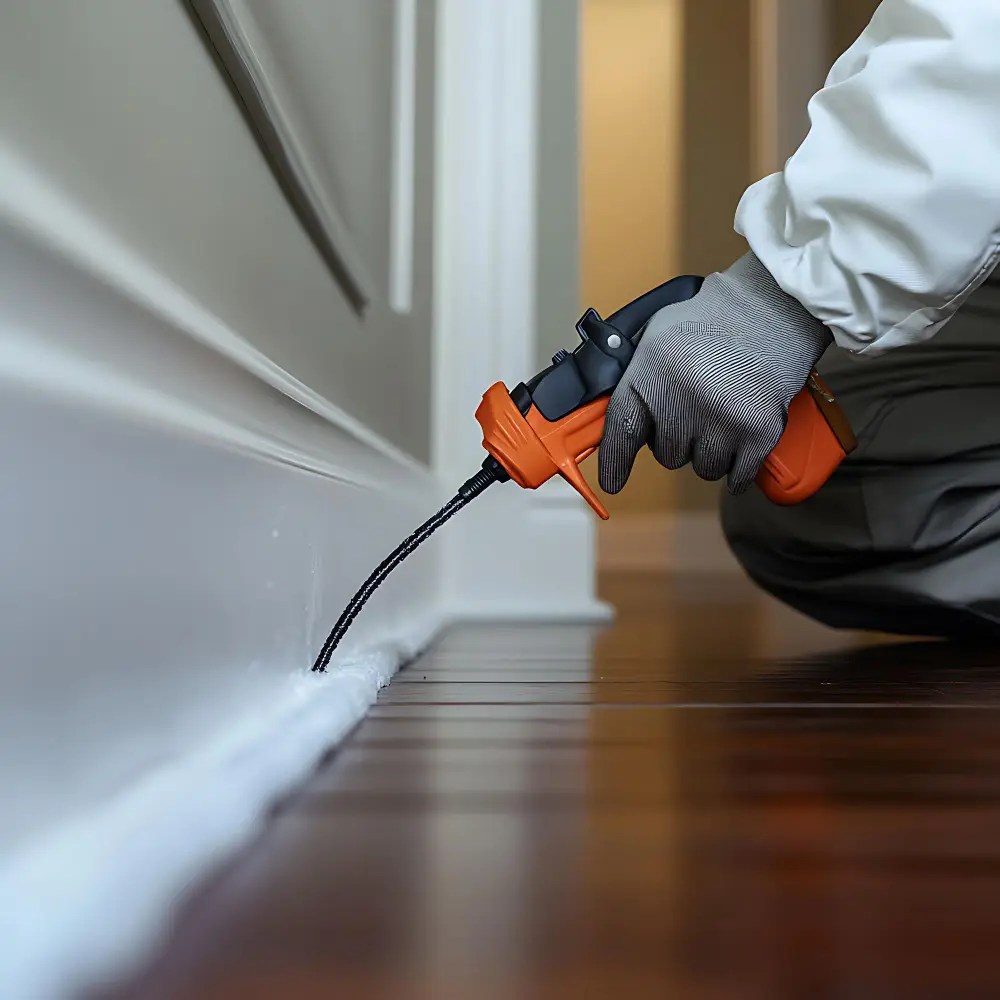
When we talk about the best termite protection we usually look at two very distinct and powerful categories. Liquid barriers are a classic choice that many professionals still recommend for immediate and very long lasting results. These chemicals are applied to the soil around your foundation to create a zone of total home protection. Modern liquids like Termidor are non repellent so the termites do not even know they are walking through it. This is great because they carry the chemical back to the nest and share it with others. I think this is a brilliant way to handle a hidden problem without much heavy lifting. But you must ensure the application is thorough to avoid leaving any gaps in your home defense.
The Power of Baiting Systems
Another popular option for the best termite protection involves using baiting systems like the famous Sentricon or Advance. These systems consist of stations placed in the ground at regular intervals around the perimeter of your house. Inside each station is a cellulose material that termites actually prefer to eat over your structural wood. Once they start feeding on the bait they share it with the rest of the colony very quickly. This method is often called colony elimination because it targets the source rather than just the single insects. I have seen these work wonders in areas where liquid treatments are difficult to apply due to soil. They are also very environmentally friendly which is a big plus for many families with small children. You just need to make sure a professional checks them regularly to maintain their high level of efficacy.
- Bait stations are easy to install without digging deep trenches around your beautiful and expensive landscaping.
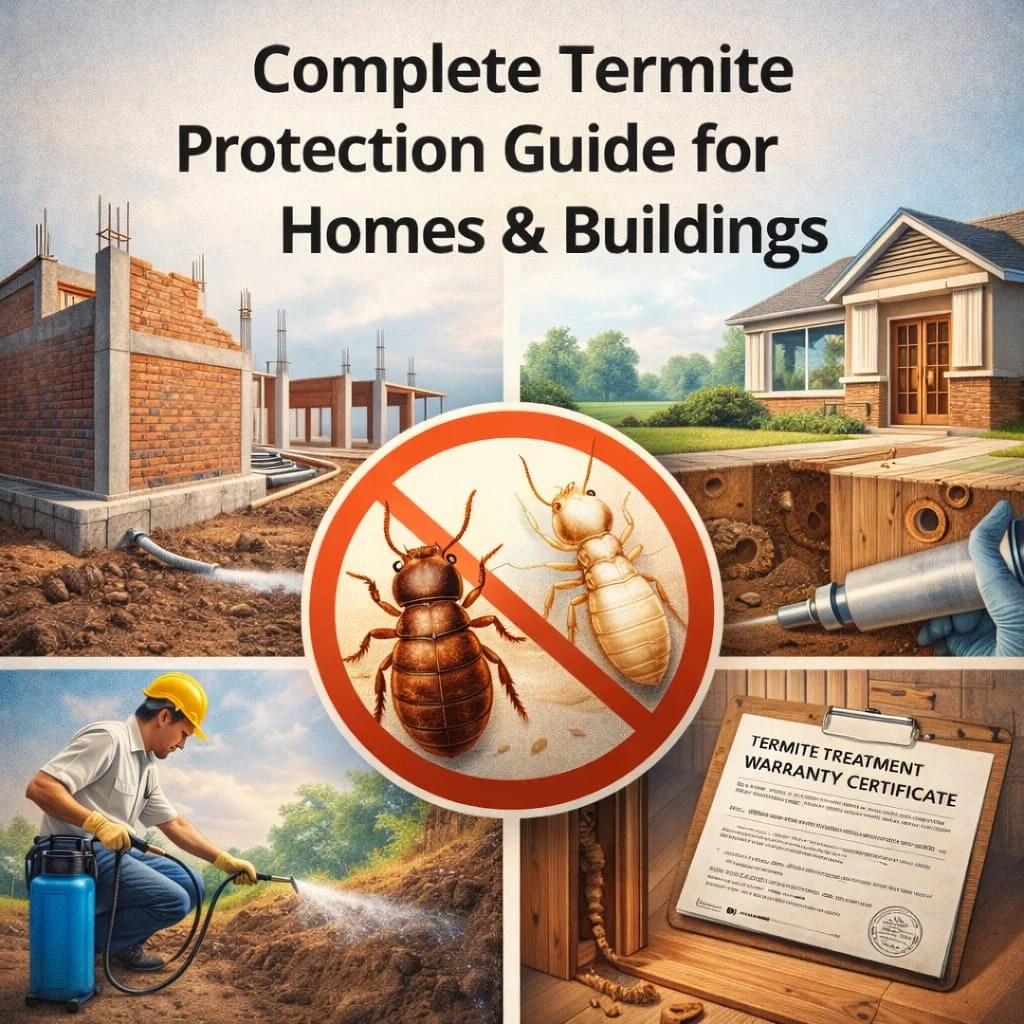
- Liquid treatments provide a continuous barrier that works 24 hours a day to stop pests from entering.
- Wood treatments using borates can be applied directly to the studs during a home renovation or build.
- Physical barriers like stainless steel mesh are great for new construction to block all potential entry points.
Physical and Natural Barriers
In my experience the best termite protection often includes a mix of chemical and physical preventative measures for safety. You should always ensure that there is no direct contact between the soil and the wood siding. This simple change can make a massive difference in how attractive your home looks to a hungry colony. I have also found that managing the moisture around your foundation is a very important part of prevention. Termites love damp environments so keeping your gutters clean and your soil dry is a really smart move. So if you combine these habits with a professional treatment you will have a very strong defense. It is all about creating an environment where these pests simply do not want to live or eat. Does that make sense or are you wondering about the specific costs involved in these different treatment types?