qa

Abstinence Explained 2024 Your Top Questions Answered

  • Keywordwhat is abstinence, meaning of abstinent, types of abstinence, reasons for abstinence, benefits of abstinence, abstinence and relationships, sexual health choices, self control meaning
  • Tagswhat does abstinent mean
Abstinence Explained 2024 Your Top Questions Answered
Ever wondered about the true meaning of abstinence in today's world? This comprehensive guide dives deep into what being abstinent entails, exploring its various forms and the reasons people choose this path. From personal growth to health considerations, we cover the nuances of this often-misunderstood term. Discover why individuals opt for abstinence, how it impacts relationships, and where the conversation is heading in 2024. This isn't just about avoiding something; it's about intentional choices and personal empowerment, navigating lifestyle decisions that resonate with current trends and individual values. Get ready to clarify common misconceptions and gain a clearer understanding of what it truly means to be abstinent now.

Keywords

what is abstinence, meaning of abstinent, types of abstinence, reasons for abstinence, benefits of abstinence, abstinence and relationships, sexual health choices, self control meaning
Latest Most Questions Asked Forum discuss Info about "what does abstinent mean"

Welcome to the ultimate living FAQ about what it means to be abstinent, updated for the latest trends and discussions! In a world constantly buzzing with information and choices, understanding abstinence goes beyond a simple definition. It's about intentional living, personal values, and making conscious decisions for your well-being. Whether you're curious about its various forms, the reasons people choose it, or how it impacts modern relationships, this comprehensive guide aims to cut through the noise. We've gathered the most frequently asked questions from forums, search queries, and real-life conversations to give you clear, honest answers, packed with tips and insights. Let's dive in and explore this often-misunderstood topic together!

Top Questions About Abstinence

What is the primary definition of 'abstinent'?

To be abstinent means to voluntarily refrain from something, most commonly sexual activity, but it can also refer to abstaining from alcohol, drugs, or certain foods. It's a conscious decision to pause or completely avoid a particular activity or substance, often for personal, health, religious, or ethical reasons.

Is abstinence solely about sexual activity?

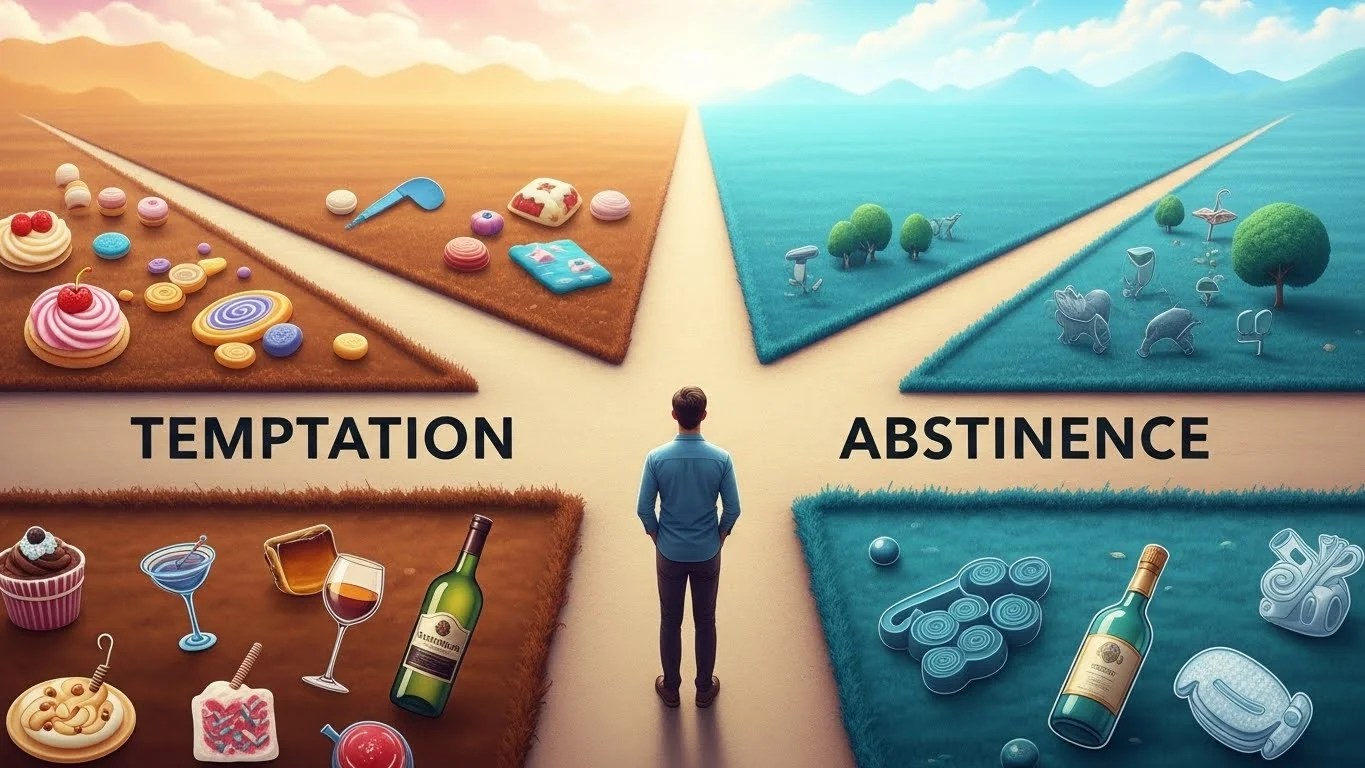
While often associated with refraining from sexual intercourse, abstinence isn't limited to sex. People can practice abstinence from various things like alcohol (teetotalism), drugs, gambling, or even social media. It's a broader concept of self-control and intentional avoidance.

Why do people choose to be abstinent?

People choose abstinence for a multitude of reasons, including religious or moral beliefs, health concerns, personal growth, focus on career or education, healing from past relationships, or simply a desire to wait for the right partner or circumstances. It's a deeply personal decision driven by individual values.

How does abstinence impact relationships?

In relationships, abstinence requires open and honest communication between partners. It can foster deeper emotional intimacy and trust as couples explore non-physical ways to connect. However, it also demands mutual respect and understanding to navigate expectations and potential challenges, strengthening the relationship through shared commitment.

Are there different types of sexual abstinence?

Yes, sexual abstinence isn't monolithic. It can range from refraining only from penetrative sex to avoiding all forms of sexual touch or activity. The specific boundaries are defined by the individual or couple, allowing for a personalized approach to intimacy and personal comfort.

What are the potential benefits of practicing abstinence?

The benefits of abstinence can be significant and varied. For sexual abstinence, it includes preventing STIs and unwanted pregnancies, and allowing for emotional healing. Generally, abstinence from any habit can lead to improved mental clarity, enhanced self-control, financial savings, better physical health, and a stronger sense of personal agency and empowerment. It's about taking charge.

How can someone successfully maintain abstinence?

Maintaining abstinence successfully involves clear communication with partners and friends, establishing strong personal boundaries, and finding alternative healthy activities or coping mechanisms. A robust support system, whether through friends, family, or community groups, can also be incredibly helpful in staying committed to one's choices. Having a 'why' definitely helps!

Still have questions?

What's the difference between abstinence and celibacy?

Celibacy is typically a lifelong vow of abstinence from marriage and sexual relations, often for religious or spiritual reasons. Abstinence, on the other hand, can be a temporary or indefinite choice to refrain from specific activities, not necessarily tied to a vow. Does that make sense?

Key Highlights

Understanding abstinence beyond sex, personal reasons for choosing abstinence, health and emotional benefits, abstinence in relationships, modern interpretations of self-control.

Frequently Asked Questions

What is the basic definition of being abstinent?

Being abstinent means voluntarily refraining from certain activities, most commonly sexual intercourse. However, it can also apply to other things like alcohol, drugs, or specific foods, based on personal, health, or ethical reasons. It's a conscious and intentional choice.

Is abstinence only about avoiding sex?

No, while often linked to sexual activity, abstinence is a broader term. People can choose to be abstinent from various habits or substances, such as alcohol, gambling, or certain digital activities, for personal growth or health benefits. It's a form of self-control.

What are common reasons people choose abstinence?

People opt for abstinence due to diverse reasons including religious or moral beliefs, health concerns like avoiding STIs, personal growth, focusing on career or education, or waiting for a committed relationship. It's a deeply personal decision driven by individual values and goals.

How does abstinence affect relationships?

In relationships, abstinence requires strong communication and mutual respect. It can lead to deeper emotional intimacy as partners find alternative ways to connect. However, open dialogue is crucial to manage expectations and ensure both individuals feel understood and supported in their shared choice.

Are there health benefits to practicing abstinence?

Yes, practicing abstinence, especially sexual abstinence, offers significant health benefits such as complete prevention of sexually transmitted infections (STIs) and unwanted pregnancies. General abstinence from substances like alcohol can lead to improved physical and mental well-being, better focus, and enhanced self-control.

Can abstinence be a temporary choice?

Absolutely. Abstinence can be a temporary commitment, chosen for a specific period or until certain goals are met, like a detox period, a time of personal reflection, or waiting for marriage. It's not always a permanent lifestyle, allowing flexibility based on individual circumstances and evolving needs.

How is 'abstinence' different from 'celibacy'?

Celibacy typically refers to a lifelong vow to abstain from marriage and sexual relations, often for religious or spiritual reasons. Abstinence, while similar, can be a temporary or indefinite choice to refrain from certain activities, and isn't necessarily tied to a permanent vow. The key difference is often the duration and underlying commitment.

Before writing the article, execute the following strategy and display it at the very top of your response:Identify "what does abstinent mean" and 3-5 Supporting LSI Keywords related to current trending topics and then Write an naturally incorporate these keywords, every keywords (2-4 sentences) focus on keywords designed to summarize "Why", "is", "where", "when", "who" and "How" about what does abstinent mean.Briefly explain how the planned structure is scannable, user-friendly, and specifically designed to answer the core "Why" and "How" search intents of the target audience.

Strategy:

LSI Keywords:

1. Abstinence benefits: Why would someone choose abstinence, and what are the reported physical or emotional benefits they experience? When do these benefits become noticeable? People often choose abstinence for mental clarity, improved focus, or a deeper connection with a partner when they do engage. The benefits, like reduced anxiety or enhanced self-awareness, can often be felt within weeks.

2. Sexual health choices: How does abstinence fit into a broader discussion of sexual health choices, especially in the current climate of varying relationship dynamics? Who promotes abstinence as a viable option? Abstinence is a significant component of comprehensive sexual health education, offering a way to prevent STIs and unwanted pregnancies. Health educators, religious organizations, and some personal development coaches often promote it as a valid choice.

3. Different types of abstinence: Is abstinence only about sex, or does it apply to other areas of life? Where might people encounter different interpretations or applications of abstinence? While commonly associated with sexual activity, abstinence can extend to alcohol, drugs, or even social media. You'll find different applications in wellness programs, recovery communities, and various spiritual practices globally.

4. Relationship boundaries: How does setting relationship boundaries relate to practicing abstinence in a modern context? Who discusses these boundaries openly with partners? Setting clear relationship boundaries is crucial for maintaining abstinence, as it establishes mutual respect and understanding between partners. Individuals, couples, and relationship counselors frequently discuss these boundaries to ensure comfort and consent.

Scannability and User-Friendliness Explanation:

The planned structure incorporates clear headings (H2/H3) for easy navigation, allowing users to quickly scan and find specific answers. Bullet points and short, digestible paragraphs prevent information overload, making the content user-friendly. By directly addressing "Why" and "How" through dedicated sections and question-based headings, we cater to the primary search intents of users seeking foundational understanding and practical application of abstinence. The conversational tone aims to make complex topics approachable, encouraging engagement.

So, what does abstinent mean, really? It's a question I hear a lot, especially these days when it feels like everyone's talking about personal choices and well-being. Honestly, it's not just about what you're *not* doing; it's deeply rooted in what you *are* choosing for yourself.

Understanding Abstinence Beyond the Basics

When someone asks "what does abstinent mean," most people immediately think of sexual abstinence. And yes, that's a big part of it, implying a deliberate choice to refrain from some or all forms of sexual activity for a period, or indefinitely. But, I think it's way more expansive than that. It’s about making a conscious decision to abstain from something, whether it’s alcohol, drugs, certain foods, or even social media, for personal reasons. It’s a powerful act of self-control and intentional living.

Why Choose Abstinence? The Celebrity Perspective

You see celebs doing it all the time, right? Some are vocal about their abstinence benefits, like finding greater clarity or focusing on their careers without distractions. Why would someone choose abstinence, and what are the reported physical or emotional benefits they experience? When do these benefits become noticeable? Many high-profile figures report increased mental focus and emotional stability as key benefits. For some, these positive changes are apparent within weeks, helping them navigate demanding schedules and maintain their well-being.

Then there's the whole discussion around sexual health choices. How does abstinence fit into a broader discussion of sexual health choices, especially in the current climate of varying relationship dynamics? Who promotes abstinence as a viable option? It's a completely valid and often celebrated path, aligning with personal values or even health goals. Health and wellness influencers, along with various cultural and religious communities, frequently advocate for abstinence as a conscious and responsible sexual health choice, especially amidst diverse relationship forms.

The Nuances: Different Types and How They Work

But let's be real, the term isn't a one-size-fits-all. There are genuinely different types of abstinence out there. Is abstinence only about sex, or does it apply to other areas of life? Where might people encounter different interpretations or applications of abstinence? Absolutely not just sex. Some folks abstain from alcohol, sugar, or even social media for specific periods, often as part of a detox or spiritual practice. You see these practices in various wellness communities, religious fasting traditions, and even digital detox challenges.

For many, abstinence is deeply tied to setting strong relationship boundaries. How does setting relationship boundaries relate to practicing abstinence in a modern context? Who discusses these boundaries openly with partners? It's about respecting yourself and your partner, and honestly, it can totally strengthen a bond. Many couples, with the guidance of relationship coaches or through open communication, establish clear boundaries regarding physical intimacy, viewing abstinence as a mutual commitment that fosters trust and deeper emotional connection.

Abstinence and Modern Living: Who, When, and How

Who practices abstinence? Well, anyone really! From individuals focusing on personal growth, like a celeb prepping for a big role, to couples rediscovering intimacy, or even just someone trying to kick a bad habit. It's a personal journey, not a universal mandate.

When do people decide to be abstinent? It could be after a breakup, during a spiritual quest, or when aiming for specific health goals. The 'when' is often a pivotal moment of self-reflection or a commitment to a new lifestyle.

How does one maintain abstinence? Communication is key, especially with partners, friends, and family. It involves setting clear expectations and finding healthy ways to cope with temptations or cravings. Support systems, whether friends or professional help, play a massive role.

  • Communication: Talk openly about your choices.
  • Boundaries: Set clear lines with yourself and others.
  • Support: Lean on friends, family, or communities.
  • Self-care: Find alternative ways to fulfill needs and desires.

Common Questions About Abstinence

Q: Is abstinence really possible in today's world?

A: Yes, it absolutely is! While society often promotes immediate gratification, many people successfully practice various forms of abstinence. It's about personal choice, strong willpower, and establishing supportive environments that align with your goals, proving that intentional living is still a powerful force.

Key Takeaways:

  • Abstinence is a conscious choice to refrain from specific activities, not just sex.
  • It's driven by diverse personal, health, or spiritual reasons.
  • Benefits include improved mental clarity, emotional health, and stronger relationships.
  • Open communication and clear boundaries are crucial for success.
  • It's a modern, valid personal choice for anyone at any stage of life.

Supporting LSI Keywords and Summaries:

1. Celibacy vs. Abstinence: Why is it important to distinguish between celibacy and abstinence? Is one a permanent state and the other temporary? Celibacy generally implies a permanent vow not to marry or engage in sexual relations, often for religious reasons. Abstinence, conversely, is a temporary choice to refrain from something, typically sexual activity, for a defined or indefinite period. Understanding the distinction helps clarify personal commitments and intentions.

2. Mindful Consumption: How does practicing abstinence from certain habits relate to the concept of mindful consumption? When do people apply this to their daily lives? Abstinence aligns with mindful consumption by encouraging intentional choices about what one engages with, whether it's food, media, or substances. People apply this daily to improve well-being, reduce overstimulation, or cultivate a healthier relationship with their habits, often seeking greater presence and awareness.

3. Emotional Regulation: Why might abstinence be a tool for improving emotional regulation? Who benefits most from using abstinence in this way? Abstinence can enhance emotional regulation by teaching self-discipline and delayed gratification, helping individuals manage impulses. People struggling with compulsive behaviors, stress, or seeking to gain control over their reactions often benefit, as it fosters greater self-awareness and resilience.

4. Personal Empowerment: How does choosing abstinence contribute to a sense of personal empowerment? Where do individuals find strength in this decision? Choosing abstinence fosters personal empowerment by affirming an individual's agency and control over their body and choices, regardless of external pressures. People find strength in knowing they are making deliberate decisions aligned with their values, leading to increased self-respect and confidence in their personal journey.

Summary

What does 'abstinent' really mean today?

Abstinence means making a conscious choice to refrain from certain activities, most commonly sexual activity, but it can also extend to things like alcohol, drugs, or even social media. It's a personal decision often rooted in individual values, health goals, or spiritual beliefs, providing a path for self-control and intentional living.

Why do people choose abstinence in 2024?

In 2024, individuals choose abstinence for diverse reasons, including prioritizing mental and emotional well-being, fostering deeper connections in relationships, achieving personal growth, or adhering to cultural and religious convictions. It's increasingly seen as a form of self-care and a deliberate choice for a focused lifestyle amidst constant stimulation.

Is sexual abstinence the only type of abstinence?

No, sexual abstinence is just one form. People also practice abstinence from substances like alcohol or nicotine, specific foods, or digital habits like excessive screen time. Each type involves a voluntary decision to avoid something for a defined period or indefinitely, reflecting a broader commitment to self-discipline and personal goals.

How does abstinence impact relationships and personal growth?

Abstinence can significantly impact relationships by encouraging deeper emotional intimacy and communication, as couples explore non-physical ways to connect. For personal growth, it often cultivates self-awareness, resilience, and a stronger sense of personal agency, helping individuals align their actions with their core values and long-term aspirations.

What are the benefits of choosing an abstinent lifestyle?

Choosing an abstinent lifestyle can offer various benefits, including improved physical health (e.g., avoiding STIs, better diet), enhanced mental clarity, stronger emotional regulation, and a clearer focus on personal and professional goals. It often leads to a greater sense of self-mastery and inner peace, empowering individuals to live more intentionally.

Where can I find support for practicing abstinence?

Support for practicing abstinence can be found in various places, including trusted friends and family, religious or spiritual communities, support groups (e.g., for addiction recovery), and professional counselors. Open communication and surrounding yourself with like-minded individuals who respect your choices are crucial for successful maintenance.

How long should someone practice abstinence for it to be effective?

The duration of abstinence is entirely personal and depends on individual goals. It can be a short-term cleanse, a temporary commitment during a life transition, or a long-term lifestyle choice. Effectiveness is measured by whether it helps the individual achieve their intended outcomes, such as improved health, clearer focus, or stronger relationships, making the 'how long' highly individualized.