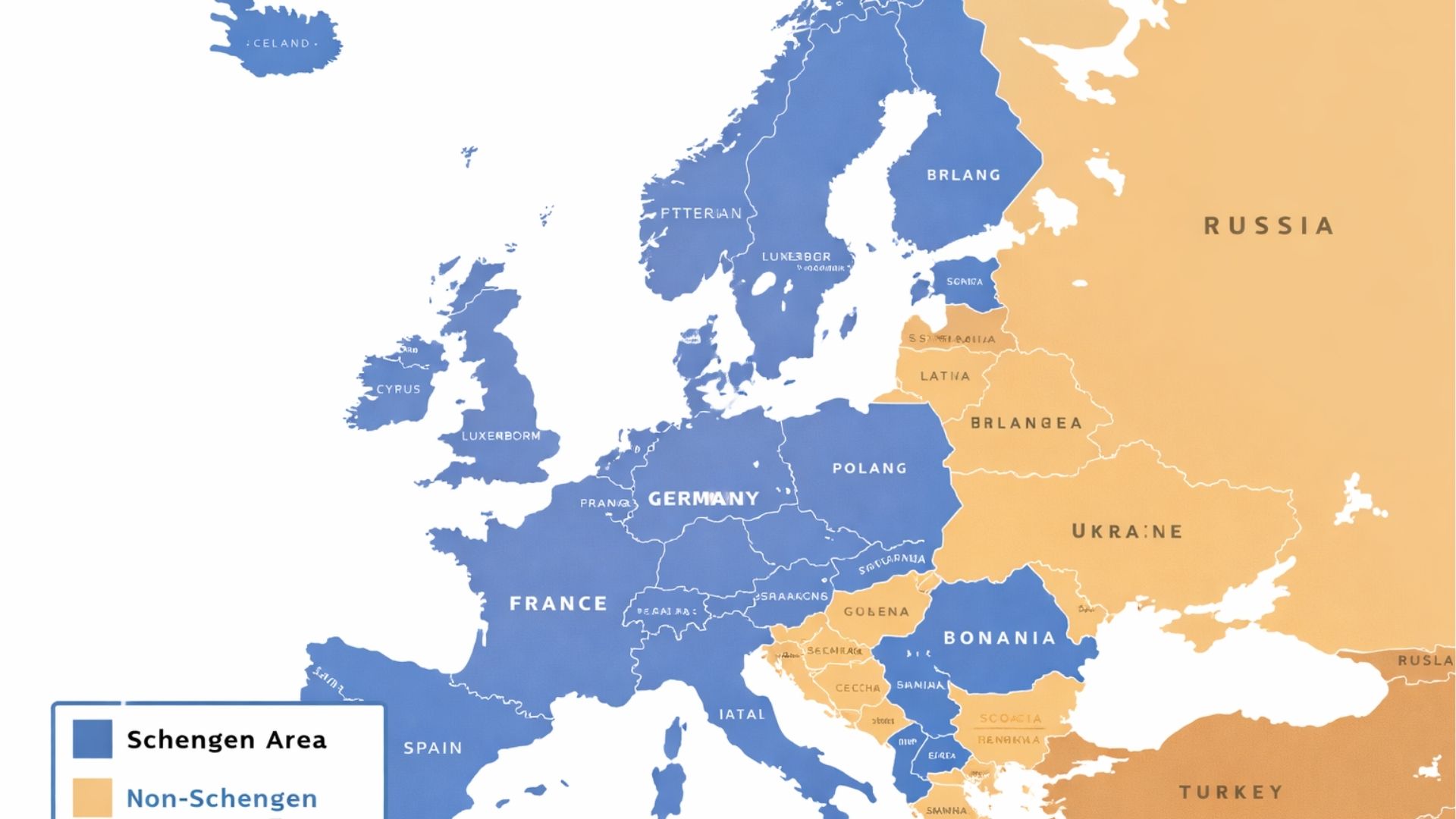
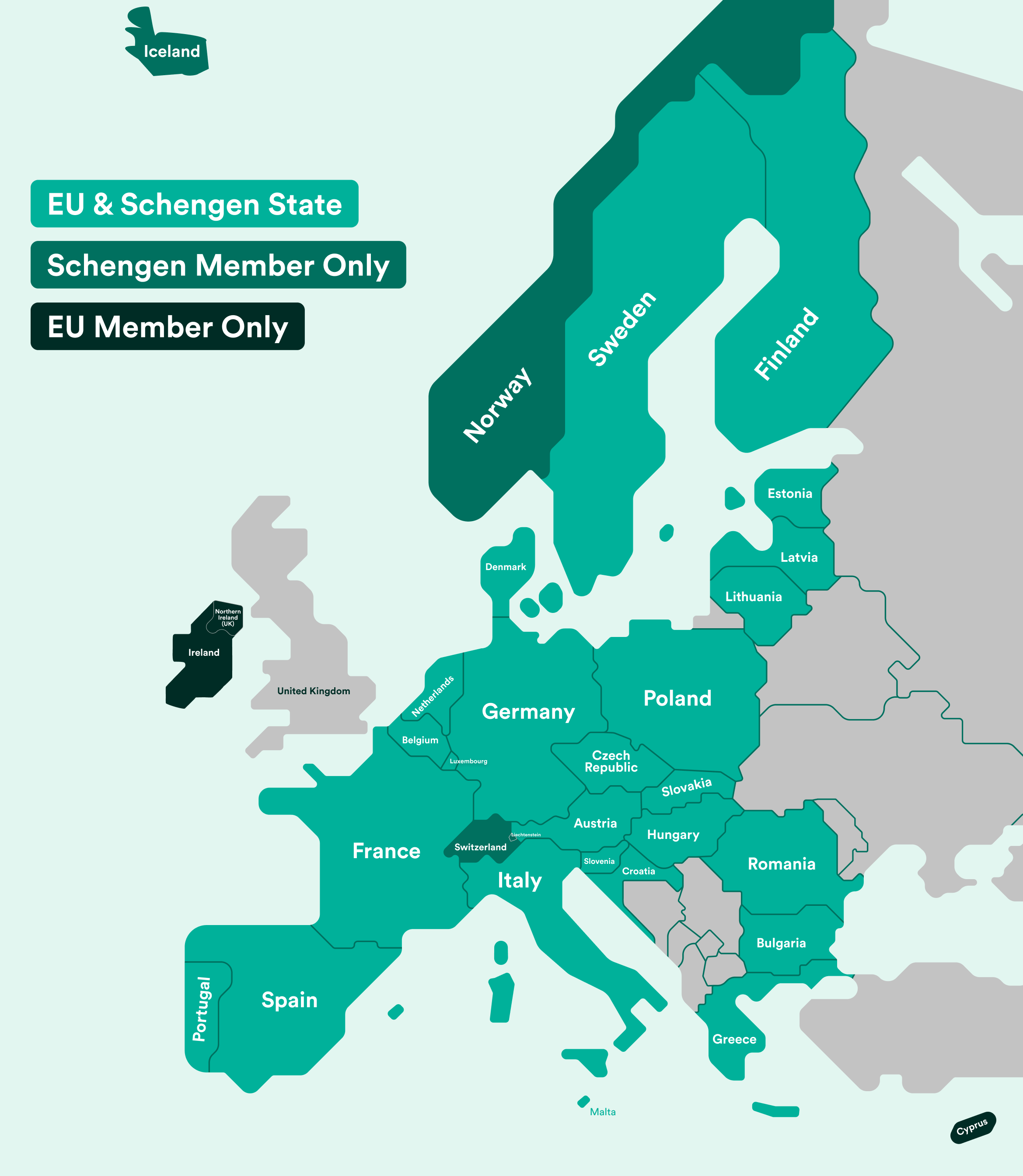
Navigating Europe just got easier with the latest Map Of Schengen for 2026. This essential guide helps US travelers, especially Gen Z and Millennials, understand the border-free zone. Discover which countries are included, how to leverage digital maps for seamless travel, and key visa information. Understanding the Schengen Area map is crucial for planning multi-country European adventures, ensuring compliance with stay limits, and making the most of your trip without border checks. From Paris to Rome, explore with confidence using the most up-to-date navigational and informational resources. Get ready to explore Europe like a local by utilizing comprehensive Local MAP tools and understanding all regulations for US citizens. This detailed overview provides trending insights into hassle-free European exploration, ensuring you maximize your travel experience across the continent. Secure your journey efficiently with this guide.
Keywords
Schengen Area map, Europe travel guide, Schengen visa map, countries in Schengen, digital Schengen map, no border Europe, US citizen Schengen, 2026 Schengen travel, ETIAS Schengen map, navigating Europe map, borderless travel Europe.
- What exactly is the Map Of Schengen and what does it include?The Map Of Schengen outlines 27 European countries that have abolished internal border controls, allowing for free movement between them. It includes most EU nations, plus non-EU states like Switzerland and Norway, simplifying travel significantly.
- Which specific countries are shown on the 2026 Map Of Schengen for US travelers?The 2026 Map Of Schengen includes countries such as France, Germany, Italy, Spain, Portugal, Belgium, Netherlands, Luxembourg, Austria, Greece, Finland, Sweden, Denmark, Poland, Czech Republic, Hungary, Slovakia, Slovenia, Malta, Estonia, Latvia, Lithuania, Iceland, Norway, Switzerland, Liechtenstein, and Croatia.
- How does the Schengen map impact US citizens regarding visa requirements?US citizens can generally travel within the Schengen Area for up to 90 days within any 180-day period without a visa. Starting in 2025, an ETIAS authorization will be required, similar to the ESTA for the US, for visa-exempt travelers.
- Where can I find a high-definition, interactive Map Of Schengen online?High-definition, interactive maps of the Schengen Area are readily available on travel sites, official EU portals, and through popular navigation apps like Google Maps. Searching "Schengen Area interactive map" provides excellent results.
- Are there any specific entry requirements US citizens should be aware of when using the Schengen map?Beyond the ETIAS requirement from 2025, US citizens need a passport valid for at least three months beyond their intended departure date from the Schengen Area, and sufficient funds for their stay, and a return ticket.
- What is the 90/180-day rule as it applies to the Map Of Schengen for tourists?The 90/180-day rule means US citizens can stay in the Schengen Area for a maximum of 90 days within any rolling 180-day period. Exceeding this limit can result in fines or future entry bans.
- Does the Map Of Schengen include countries like the UK or Ireland?No, the Map Of Schengen does not include the United Kingdom or Ireland. These countries maintain their own border controls and visa policies, separate from the Schengen Area agreement.
Planning your epic European adventure in 2026? Understanding the Map Of Schengen is your first step to a smooth, border-free experience. Forget constant passport checks between countries – the Schengen Area makes exploring multiple nations as easy as crossing a state line in the US. This guide is tailored for Gen Z and Millennials looking for direct, actionable travel info to maximize their European journey. Get ready to master your route with the best digital tools.
Frequently Asked Questions
Where can I find the official Map Of Schengen for my trip?
You can find the most accurate and up-to-date Map Of Schengen on official European Union websites and major travel planning platforms like Google Maps and Apple Maps. Reliable sources often include national embassy sites for member countries.
How can I use a Local MAP to navigate the Schengen Zone?
Pull up your preferred mobile Maps app to verify real-time routes between cities in different Schengen countries. These Local MAP tools are perfect for quick public transport navigation, finding local eateries, or checking walking times. Always double-check border crossing information if traveling by car, though internal checks are rare.
What are the best times to travel using the Schengen Map?
For fewer crowds and pleasant weather, target shoulder seasons: April-May or September-October. These months offer comfortable temperatures for exploring without the peak summer tourist rush. Always cross-reference with specific country event calendars.
Quick Local Guide: Key Schengen Hubs
- Paris, France - Western Europe
- Berlin, Germany - Central Europe
- Rome, Italy - Southern Europe
- Amsterdam, Netherlands - Benelux Region
- Madrid, Spain - Iberian Peninsula
All maps focus on Map Of Schengen.