Are your Roblox game animations feeling a bit stiff or unnatural? Dive into the world of Roblox Easing Styles and transform your game's visual flow. This comprehensive guide, crafted for US gamers balancing life and play, will break down what easing styles are, why they matter for immersive experiences, and how you can implement them to create professional-grade animations without complex coding. We cover everything from basic easing functions to advanced applications, helping you level up your game development skills. Discover how these subtle animation tweaks can significantly enhance player engagement, making your creations stand out in the bustling Roblox universe. Learn to optimize performance, understand different easing types like Linear, Sine, Quad, and Bounce, and get practical tips for integrating them into your projects. Whether you're building a new world or refining an existing one, mastering easing styles is a game-changer for any aspiring Roblox developer seeking to provide a polished, high-quality experience for their audience.
Q: What are Roblox easing styles used for in game development?
A: Roblox easing styles are primarily used to create smooth, natural-looking animations by controlling the rate of change in an object's properties over time. Instead of movements appearing linear or robotic, easing styles introduce acceleration and deceleration, mimicking real-world physics. This is crucial for making UI elements, character movements, and environmental interactions feel fluid and engaging, significantly enhancing the overall polish and player immersion in Roblox games.
Q: How do you add easing to an animation in Roblox?
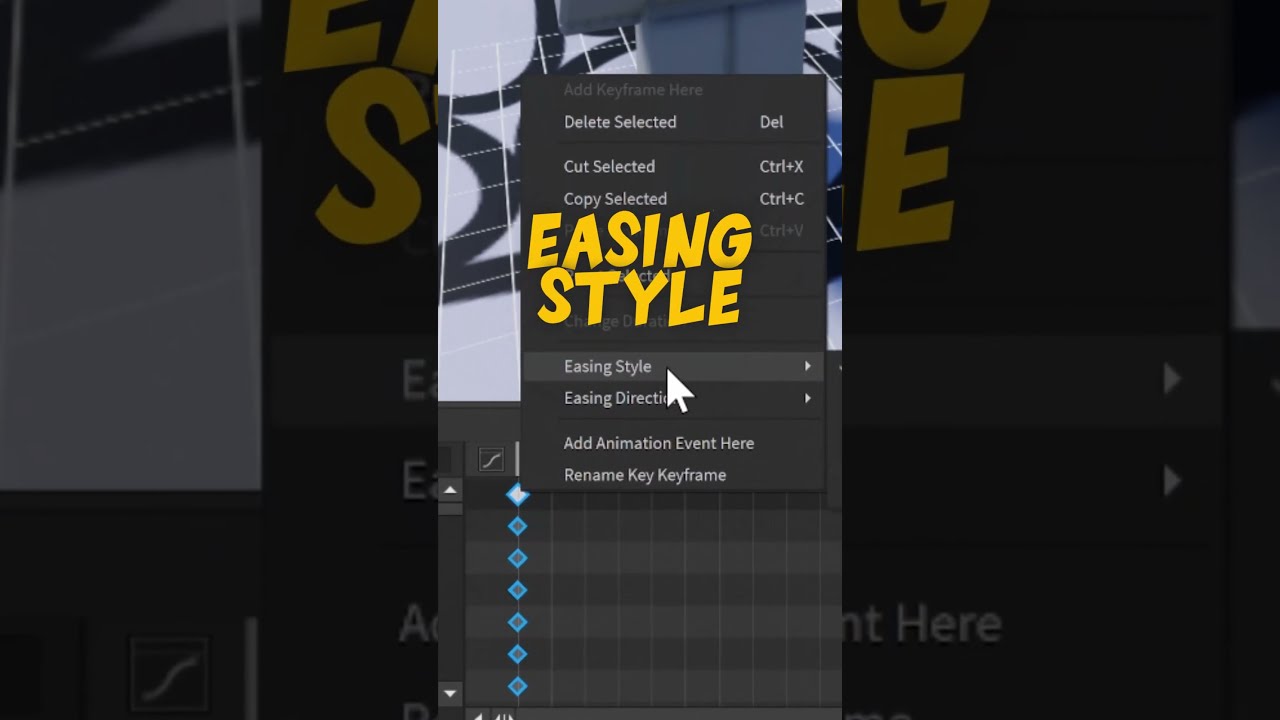
A: You add easing to an animation in Roblox using the TweenService. You create a TweenInfo object where you specify the duration, Enum.EasingStyle (e.g., Sine, Quart, Bounce), and Enum.EasingDirection (In, Out, InOut). Then, you use TweenService:Create() with your object, TweenInfo, and a table of target properties. Finally, call :Play() on the created tween to execute the animation with the chosen easing.
Q: What is the difference between EasingStyle.In and EasingStyle.Out in Roblox?
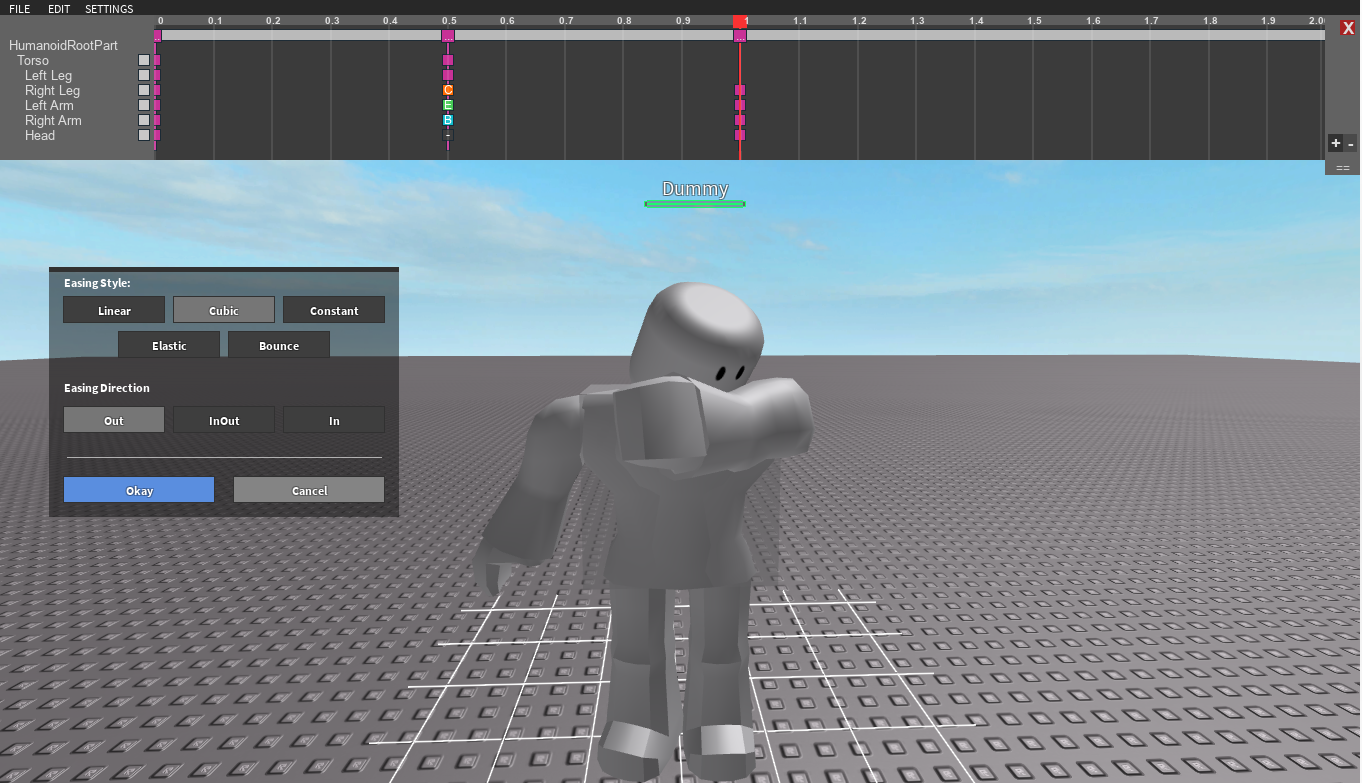
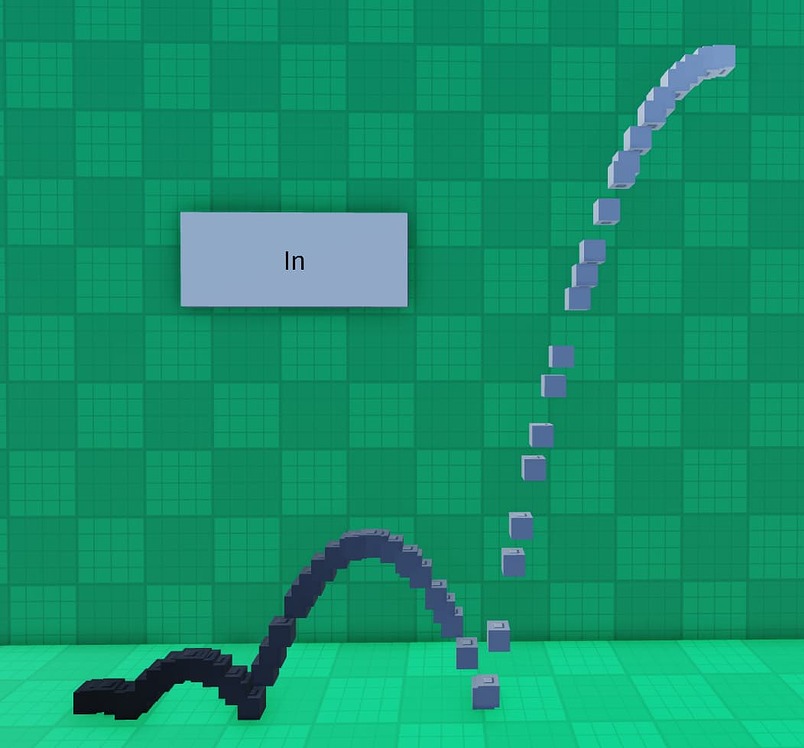
A: EasingStyle.In means the animation starts slowly and then accelerates towards its end. EasingStyle.Out means the animation starts quickly and then decelerates towards its end. EasingStyle.InOut combines both, accelerating at the beginning and decelerating at the end, providing a smooth transition throughout. The choice depends on whether you want the emphasis on the start or end of the movement.
Q: Which Roblox easing style is best for UI pop-up effects?
A: For UI pop-up effects, Enum.EasingStyle.Back with Enum.EasingDirection.Out or InOut is often considered excellent. This style causes the element to slightly overshoot its final position before settling, creating a satisfying 'bouncy' or 'springy' feel that effectively grabs attention and makes the UI feel dynamic and responsive to user input.
Q: Can I customize easing curves in Roblox beyond the default styles?
A: While Roblox's TweenService provides a robust set of predefined Enum.EasingStyle options, it doesn't directly allow for custom bezier curves like some other animation tools. However, developers can achieve highly customized animation behaviors by chaining multiple tweens with different easing styles or by using mathematical functions directly in a loop, though this is generally less performant than TweenService.
Q: Why are smooth animations important for Roblox games today?
A: Smooth animations are vital because they drastically improve player experience and game perceived quality. In 2026, gamers, especially those balancing life and play, expect polished, immersive worlds. Clunky animations break immersion, make games feel unprofessional, and can even cause frustration. Fluid easing styles contribute to intuitive gameplay, better visual feedback, and a more enjoyable, stress-relieving experience, encouraging players to return.
Q: How does easing affect the feeling of speed in Roblox games?
A: Easing dramatically affects the feeling of speed by controlling perceived acceleration and deceleration. A linear ease feels constant but bland. Easing styles like 'Quart' or 'Expo' with 'EaseIn' can make an object feel like it's launching with great force, while 'EaseOut' can make it feel like it's gracefully gliding to a stop. This manipulation of speed perception is crucial for conveying weight, impact, and overall physics in a game, making movements more dynamic and impactful.
Ever felt like your awesome Roblox game creations, despite all the effort, just lack that professional polish? You know, when objects move, but they either stop too abruptly or start too suddenly? This subtle imperfection can sometimes be the difference between a good game and a truly great, immersive experience. For many US gamers, myself included, who juggle jobs, families, and life's demands, our gaming time is precious. We're looking for relaxation, fun, and engaging worlds that feel fluid and well-crafted. Nothing breaks that immersion faster than clunky, unnatural animations.
You're not alone if you've faced this. It's a common hurdle, but one that has a remarkably elegant solution: Roblox easing styles. Think of easing styles as the secret sauce for animation. They dictate the rate of change of an animation over time, allowing for movements that mimic real-world physics – starting slow and speeding up, or speeding up and then gradually slowing down to a smooth stop. Mastering these can transform your game from feeling amateurish to incredibly slick, making every interaction, every UI element, and every character movement feel intentional and satisfying. This guide will demystify Roblox easing styles, showing you how to harness their power to create games that truly resonate with players and stand out in the competitive Roblox landscape.
What Exactly Are Roblox Easing Styles and Why Do They Matter?
Roblox easing styles are predefined mathematical functions that control the acceleration and deceleration of an animation. Instead of an object moving at a constant speed (a linear animation), easing styles allow for more dynamic and natural motion. Imagine a car: it doesn't instantly go from 0 to 60 mph; it accelerates. Similarly, it doesn't stop on a dime; it decelerates. Easing styles replicate these real-world physics, making digital movements feel more organic and visually appealing.
They matter immensely because they directly impact player perception and engagement. In an era where 87% of US gamers play regularly, often for 10+ hours a week, and social gaming trends dominate, polished experiences are paramount. A smooth animation can convey quality, professionalism, and attention to detail. This isn't just about aesthetics; it improves user experience. From a door opening smoothly to a UI element gracefully appearing, good easing makes your game more intuitive and enjoyable. It reduces visual jarring and allows players to feel more connected to the virtual world you've built, a crucial factor for gamers balancing real-life demands who seek seamless escapism.
How Do Easing Styles Enhance Player Immersion and Game Feel?
Easing styles significantly enhance player immersion by making game worlds feel more alive and responsive. When animations are fluid and natural, players subconsciously register a higher level of polish and quality. This applies whether they're on a PC, console, or the increasingly dominant mobile platforms, where seamless interactions are expected. Consider a character jumping: with a proper easing style, the jump can feel springy and impactful, rather than a stiff, robotic ascent and descent. This micro-interaction contributes to a larger sense of 'game feel' – the tactile and aesthetic quality of playing your game.
For busy adults who game to unwind, these small details prevent frustration and enhance relaxation. A clunky UI animation, for example, can make a game feel unresponsive and cheap, costing valuable playtime. By contrast, a well-timed ease-in and ease-out for a menu transition creates a satisfying and efficient user experience. It's about respecting the player's time and providing a visually rich, responsive environment that fosters engagement and enjoyment, making your game a go-to choice after a long day at work or with family.
What Are the Different Types of Roblox Easing Styles and Their Uses?
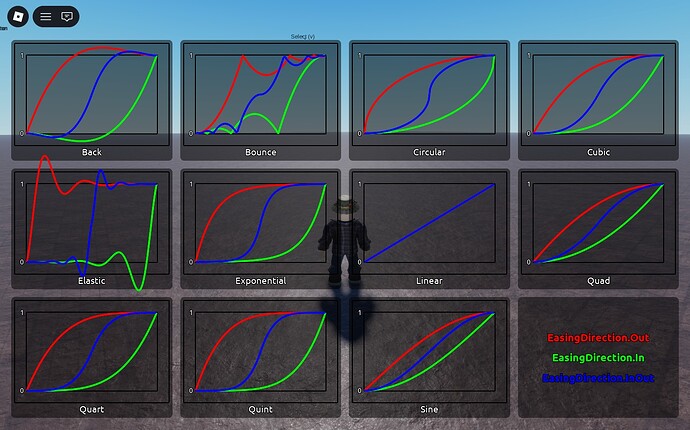
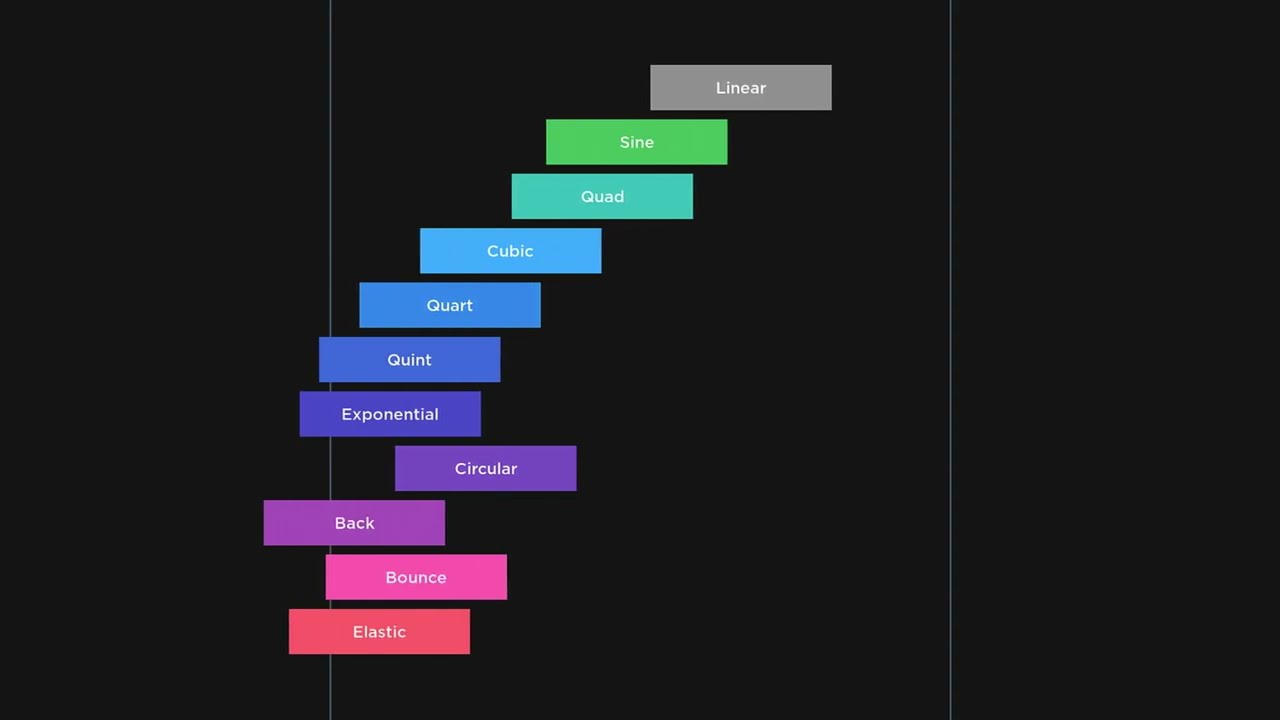
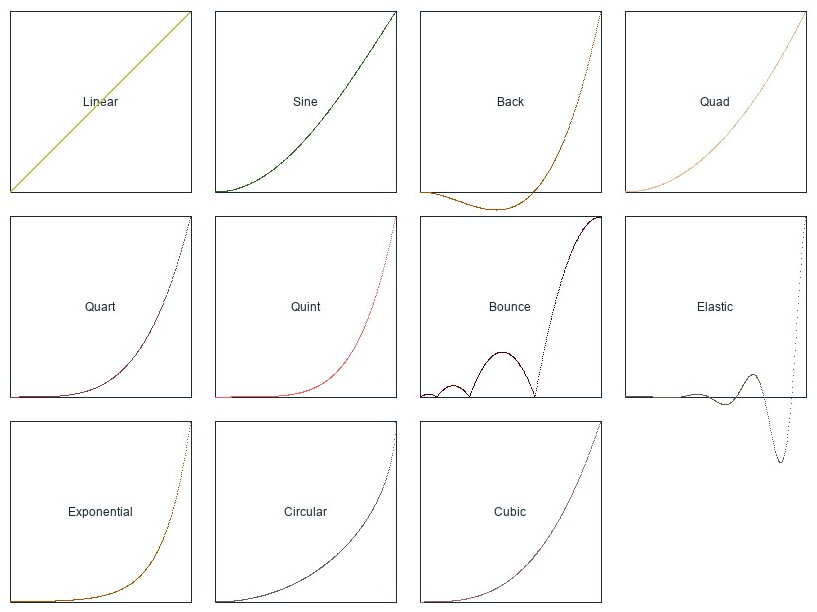
Roblox offers a diverse range of easing styles, each with a distinct characteristic suitable for different animation needs. Understanding these is key to choosing the right style for the right effect:
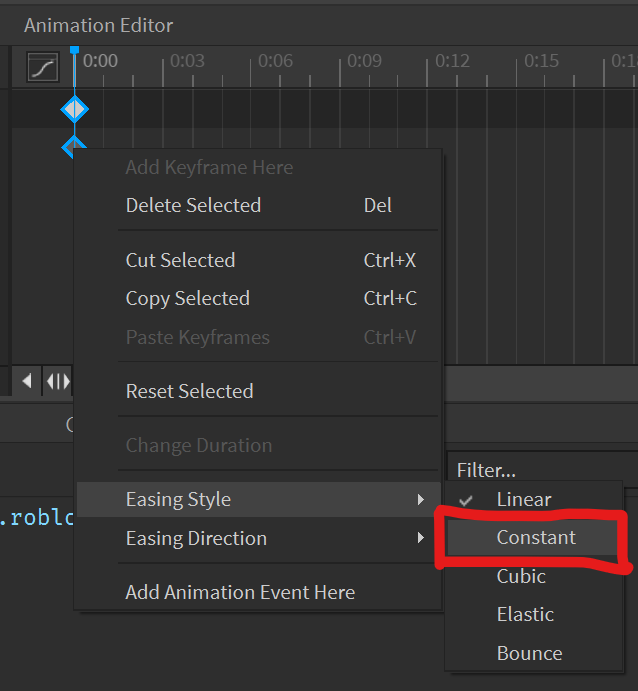
- Linear: Constant speed throughout. Good for simple, mechanical movements or transitions where no acceleration/deceleration is desired. Think of a conveyor belt.
- Sine (In, Out, InOut): Smooth, gentle acceleration/deceleration. Sine eases feel very natural and are often a safe default for many UI elements or subtle object movements.
- Quad (In, Out, InOut): Stronger acceleration/deceleration than Sine. Gives a more pronounced sense of movement. Great for medium-speed actions like a door sliding open or a platform moving.
- Cubic (In, Out, InOut): Even more pronounced than Quad, offering a powerful, yet smooth, change in speed.
- Quart (In, Out, InOut): Very strong acceleration/deceleration, almost snapping into place. Useful for quick, impactful movements.
- Quint (In, Out, InOut): The strongest of the polynomial eases, delivering a very sharp and dynamic speed change.
- Exponential (In, Out, InOut): Offers dramatic acceleration/deceleration. Can be used for sci-fi effects or movements needing a strong, non-linear feel.
- Circ (In, Out, InOut): Circular easing, often used to simulate physical effects like a pendulum swing. It has a distinctive curve.
- Back (In, Out, InOut): This ease overshoots its target slightly before settling, creating a 'springy' effect. Excellent for UI elements that pop or objects that bounce.
- Elastic (In, Out, InOut): Produces a highly bouncy, elastic effect. Imagine a rubber band snapping into place. Ideal for playful animations or attention-grabbing UI.
- Bounce (In, Out, InOut): Simulates a physical bounce, like a ball dropping. Very distinct and fun for specific visual cues.
Choosing the right style depends on the desired feeling. For a subtle fade, Sine. For a UI button that feels responsive, Back or Quad. For a whimsical character jump, Elastic or Bounce. Experimentation is your best friend here!
How Do I Implement Easing Styles in My Roblox Game Script?
Implementing easing styles in Roblox typically involves using the TweenService. TweenService allows you to smoothly change an object's properties (like position, size, transparency, color) over a specified duration using an easing style. It's incredibly powerful and relatively straightforward to use.
Here's a basic example of how to move a Part using TweenService with an easing style:
local TweenService = game:GetService("TweenService")local Part = workspace.MyPartlocal duration = 1local targetPosition = Vector3.new(0, 10, 0)
local tweenInfo = TweenInfo.new( duration, -- How long the tween takes (in seconds) Enum.EasingStyle.Quart, -- The easing style (e.g., Quart, Sine, Bounce) Enum.EasingDirection.Out, -- The easing direction (In, Out, InOut) 0, -- Number of times to repeat (-1 for infinite, 0 for once) false, -- Reverse the tween after completion? 0 -- Delay time before starting (in seconds))
local goals = { Position = targetPosition}
local tween = TweenService:Create(Part, tweenInfo, goals)tween:Play()
This snippet demonstrates moving 'MyPart' to a new position using the 'Quart' easing style with an 'Out' direction. Remember, the EasingDirection (In, Out, InOut) further refines how the acceleration/deceleration is applied, giving you even finer control over the animation's feel. 'In' means it accelerates at the beginning, 'Out' decelerates at the end, and 'InOut' does both.
Can Easing Styles Improve Performance in Roblox Games?
While easing styles themselves don't directly improve frame rates or reduce lag, their smart application can contribute to a *perceived* performance improvement and overall game optimization. Clunky, poorly timed animations can make a game feel sluggish, even if the underlying framerate is stable. By using easing styles to create smooth, efficient transitions, you make the game feel more responsive and high-performing to the player.
Furthermore, TweenService, which is the primary method for implementing easing styles, is highly optimized by Roblox. Using TweenService for animations is generally more performant than manually interpolating values in a while true do loop, as the engine handles the heavy lifting efficiently. This is particularly important for mobile gamers or those on older hardware who value smooth experiences on a budget. Optimizing animations ensures that even if a gamer has limited time for play, their experience isn't hindered by visual hiccups, allowing them to truly relax and enjoy.
Are There Any Common Pitfalls or Mistakes to Avoid with Easing Styles?
Yes, several common mistakes can undermine the effectiveness of easing styles. First, overuse: don't animate everything with complex easing. Too many bouncy or elastic animations can quickly become jarring and distracting. Simplicity is often key, especially for background elements or subtle UI feedback. Second, mismatching style and intent: using a 'Bounce' ease for a serious, impactful object movement will look out of place. Always consider the mood and purpose of the animation. Third, incorrect EasingDirection: an 'EaseIn' might feel awkward if you intended a gentle stop. Always test 'In', 'Out', and 'InOut' to see which best fits the desired flow.
Another pitfall is ignoring user experience. While a cool easing style might seem fun to implement, if it slows down crucial UI interactions or makes it harder for players to anticipate movement, it's doing more harm than good. Always prioritize clarity and responsiveness. Finally, not chaining animations properly: complex actions often involve multiple tweens. Ensuring these tweens flow seamlessly with appropriate easing can be tricky but is vital for a cohesive experience. Taking the time to test and refine your animations will pay off in a much more polished and enjoyable game.
How Can I Practice and Master Roblox Easing Styles Effectively?
The best way to master Roblox easing styles is through consistent practice and experimentation. Start by setting up a simple test environment in Roblox Studio. Create a few basic parts and try applying different easing styles to their position, size, or transparency. Observe how each style changes the feel of the animation. The official Roblox Developer Hub is an invaluable resource, offering detailed documentation and examples of TweenService and easing types.
Beyond basic tutorials, challenge yourself to integrate easing styles into small projects. For instance, try animating a custom UI element, a character's walk cycle, or the opening of a chest. Utilize online easing visualizers (search for 'CSS easing functions' or 'tweening visualizer') to see how different curves behave, which can help you conceptualize their impact before coding. Engage with the Roblox developer community; forums and Discord servers are great places to ask questions, share your work, and get feedback. Remember, like any skill, consistent application and learning from others are key. US gamers are always looking for new ways to build and connect, and mastering these skills opens up new avenues for creativity.
What are the Latest Trends for Animation and Easing in Roblox Development?
The Roblox development scene is always evolving, and animation is no exception. This month, we're seeing continued emphasis on dynamic, responsive user interfaces that adapt seamlessly across devices – a reflection of mobile gaming's dominance. Creators are leveraging easing styles not just for object movement but also for subtle UI feedback, like buttons that slightly scale on hover or menus that elegantly slide into view. There's a growing trend towards more organic, physically simulated movements in character animations, where easing styles play a crucial role in making jumps, sprints, and interactions feel more realistic and impactful.
We're also seeing more developers use easing for procedural animations, where movements are generated in real-time based on game events, rather than just pre-set tweens. This includes things like dynamic camera movements, environmental effects, and even nuanced character expressions. As more adult gamers (average age around 36) seek high-quality, stress-relieving experiences, the demand for polished visuals and fluid interactions only grows. Staying current with these animation trends, and understanding how to apply advanced easing, will ensure your creations remain engaging and relevant in 2026 and beyond.
Conclusion
Mastering Roblox easing styles is a powerful tool in any developer's arsenal, allowing you to breathe life into your creations and elevate the player experience. From subtle UI transitions to dynamic character movements, the right easing style can transform a good game into an unforgettable one. It's about more than just moving objects; it's about crafting an immersive world that feels natural, responsive, and truly engaging for the millions of US gamers who dedicate their precious free time to Roblox.
By understanding the different types of easing, how to implement them with TweenService, and avoiding common pitfalls, you're well on your way to creating visually stunning and highly polished games. Don't underestimate the impact these subtle tweaks can have on player perception and overall enjoyment. So go forth, experiment, and make your Roblox animations sing!
What's your biggest animation challenge in Roblox? Comment below and let's discuss!
FAQ Section
Q: What is the easiest easing style to start with for beginners?
A: For beginners, Enum.EasingStyle.Sine combined with Enum.EasingDirection.InOut is a great starting point. It provides a very smooth, natural acceleration and deceleration that works well for many general animations without being too jarring or complex.
Q: Can I use easing styles for UI elements?
A: Absolutely! Easing styles are incredibly effective for UI elements. They can make buttons feel more responsive, menus slide gracefully, and notifications pop engagingly, greatly enhancing the overall user experience and making your game feel more professional.
Q: Do easing styles require a lot of coding knowledge?
A: No, implementing basic easing styles using TweenService in Roblox Studio is quite straightforward. While advanced usage might involve more complex scripting, the fundamental concepts are accessible even for those with beginner to intermediate coding skills.
Q: How do I preview different easing styles quickly?
A: You can preview different easing styles directly in Roblox Studio by changing the Enum.EasingStyle property in your TweenInfo.new() constructor and running your game. Additionally, many online easing visualizer tools (like those for CSS easing functions) allow you to see the animation curves visually before you code them.
Master Roblox easing styles for smoother animations, Enhance game visual quality and player immersion, Learn to implement various easing functions easily, Optimize animation performance in Roblox projects, Elevate game development skills for polished experiences, Understand the difference between easing types and their applications.
35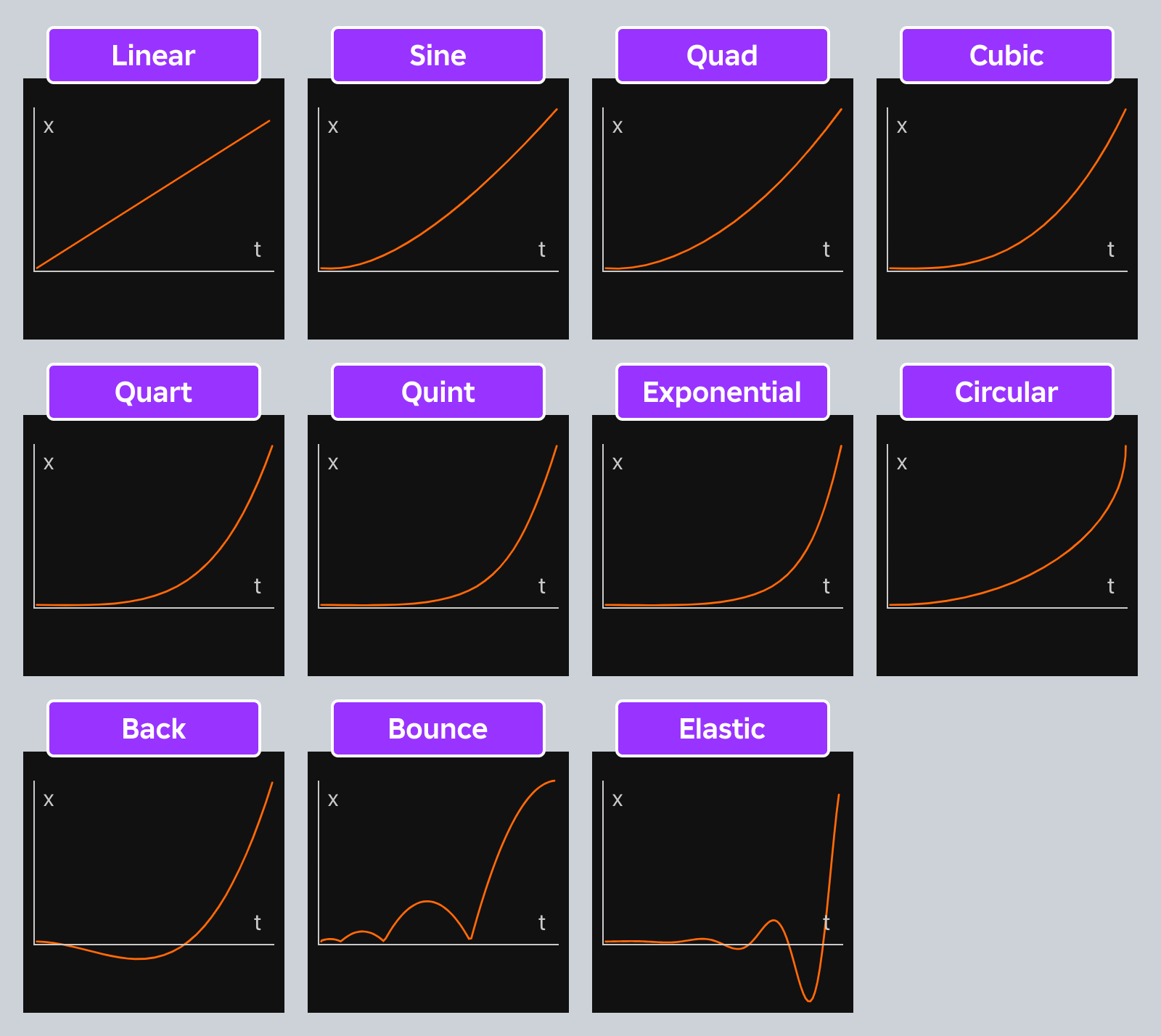


EasingStyle Roblox API Reference Easing Styles In . Provide The Equations Used For Easing Styles Features 2 690x430 . How Do I Make A Tween That Goes Back And Forth Then Reaches The Final . How To Add Easing To Animations In Roblox Studio In 2026 Roblox Studio . Tween ROBLOX Easing Styles In .webp



Only Some And Are Displayed . Easing Styles With Roblox Studio Animation Editor YouTube . Animation Easing Styles Developer Forum Roblox . Add The Missing Easing Styles For Animations Engine Features . Roblox Styles Tier List Fandom 4ebc1d6e 2c31 453c 86c3


How Can I Yank A Part Down Scripting Support Developer Forum . More Non Linear Easing Functions For The Animation System Engine . Easing Styles Community Tutorials Developer Forum . Unlocking Roblox Animation Power With Moon Animator Up To Date 2026 Maxres2 . Add Enum EasingStyle Constant Engine Features Developer Forum Roblox


Roblox Hair Codes 400 Free Roblox Hair Codes July 2026 Roblox Hair Codes . Gakuran Fighting Styles Tier List July 2026 0f9fe 1920 . Guide How To Combine Roblox Hairs Like A Pro How To Do Hair Combos On Roblox . Add The Missing Easing Styles For Animations Engine Features . Which Easing Style Is Better Moon Animator Roblox Studio YouTube Oar2




How To Message On Roblox 2026 A Quick Guide SL1500 . WolfiTween Tweening With Lerp A Flexible And Lightweight Module . How To Add EASING To ANIMATIONS In Roblox Studio YouTube Maxres2 . Unlocking Roblox Animation Power With Moon Animator Up To Date 2026 . How To Do Animation Easing With Roblox Animation Editor Art Design




HELP How To Animate Smoother Like Blender Art Design Support . Different Easing Styles In Roblox Studio YouTube Oar2 . Smooth Number Movement Scripting Support Developer Forum Roblox . How Do I Use These Types Of Eases Art Design Support Developer . Animation Cubic Easing Direction Reversed Engine Bugs Developer


EasingStyle Have Issues 2 804x748 . EasingStyle Broken Gif Issues Developer Forum Roblox . Easing Styles Community Tutorials Developer Forum . Different Easing Styles For In And Out Tweening Scripting Support . Gakuran Fighting Styles Tier List July 2026 6ae18 1920